
Air-Cooled Exchangers
Checklist: Verifying Air Cooled Fan Capacity at Site
Use this checklist to verify air cooled fan performance at the site. It covers static pressure, airflow measurement, and duty confirmation. Follow the steps to confirm
Understand air-cooled heat exchanger types, fan operation, environmental effects, and selection criteria for cooling applications without water.
Use this checklist to verify air cooled fan performance at the site. It covers static pressure, airflow measurement, and duty confirmation. Follow the steps to confirm
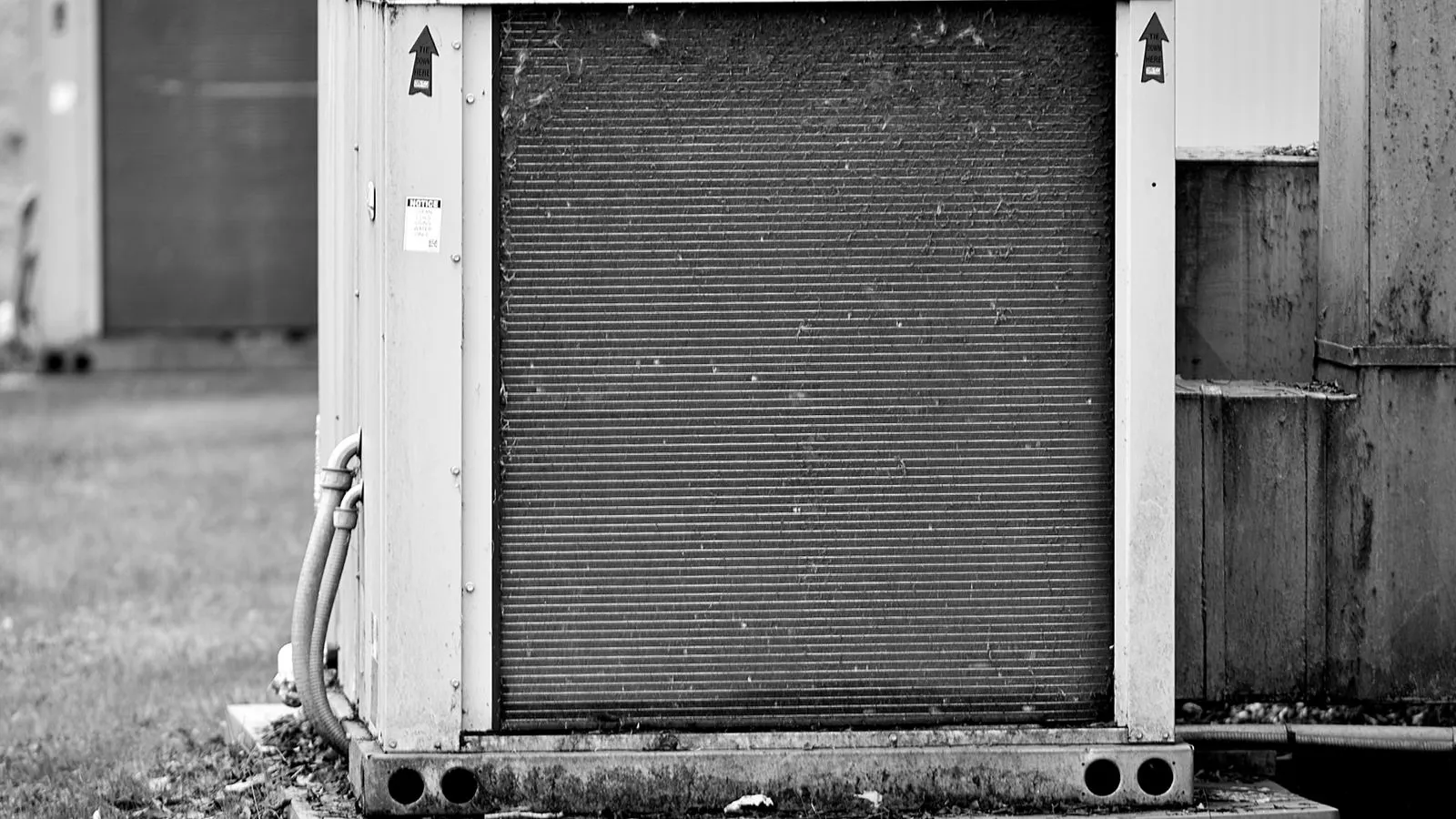
An air-cooled heat exchanger uses forced air to reject heat without a water loop, while a water cooled cooler uses liquid to transfer heat. Air systems save water but
Air-cooled heat exchanger pricing depends on duty, materials, and complexity. Lead times vary by size and customization. A clear RFQ and standardized comparison help
Air-cooled heat exchangers need larger surface area because air carries less heat than liquid. This increases the required heat transfer surface to maintain the same
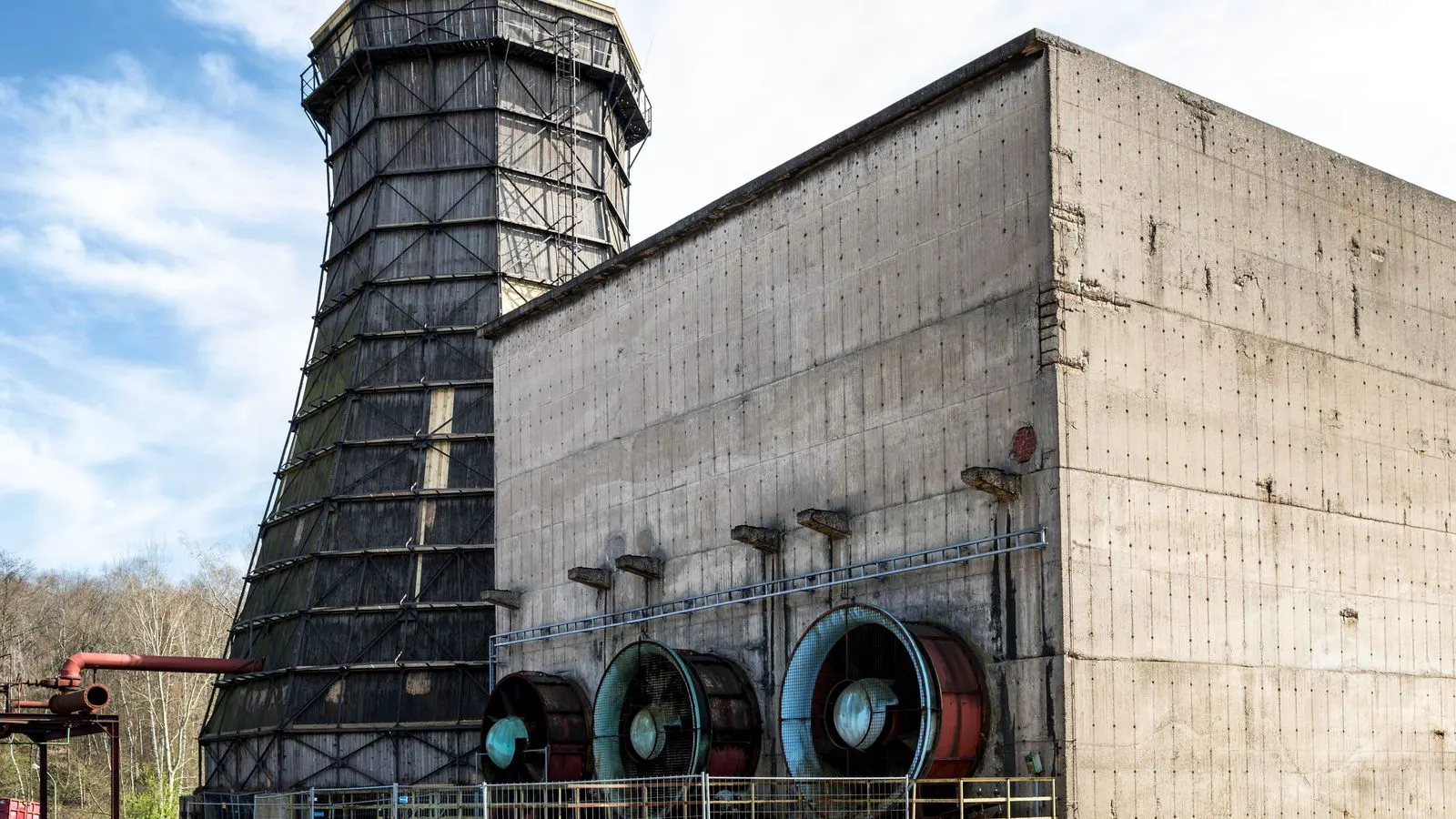
To size an air-cooled heat exchanger, determine the heat load, select a flow configuration, estimate the required heat transfer area, and verify air velocity. This
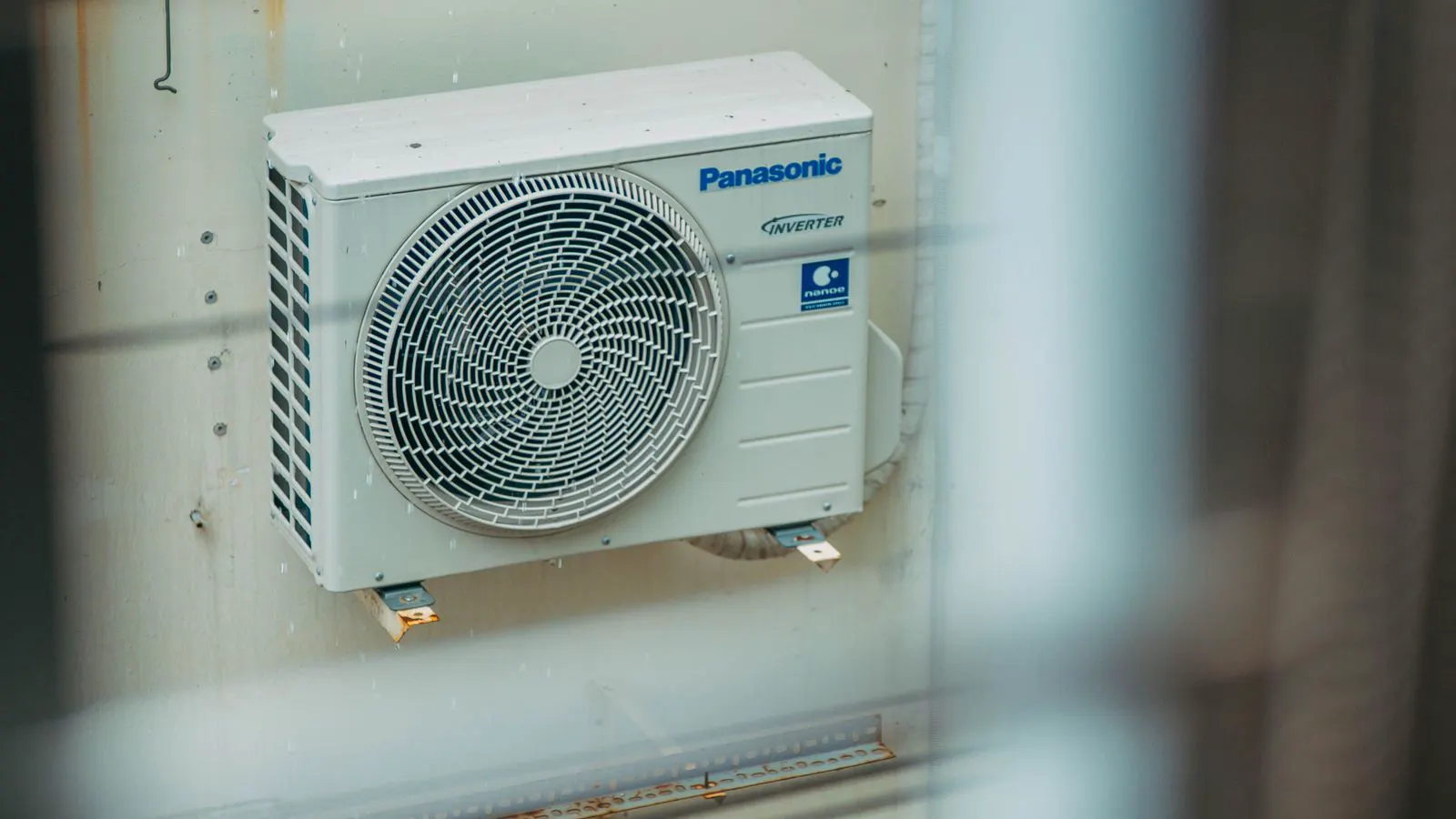
Environmental changes alter the thermal load on air-cooled systems. Understanding ambient temperature and humidity trends allows engineers to select equipment with
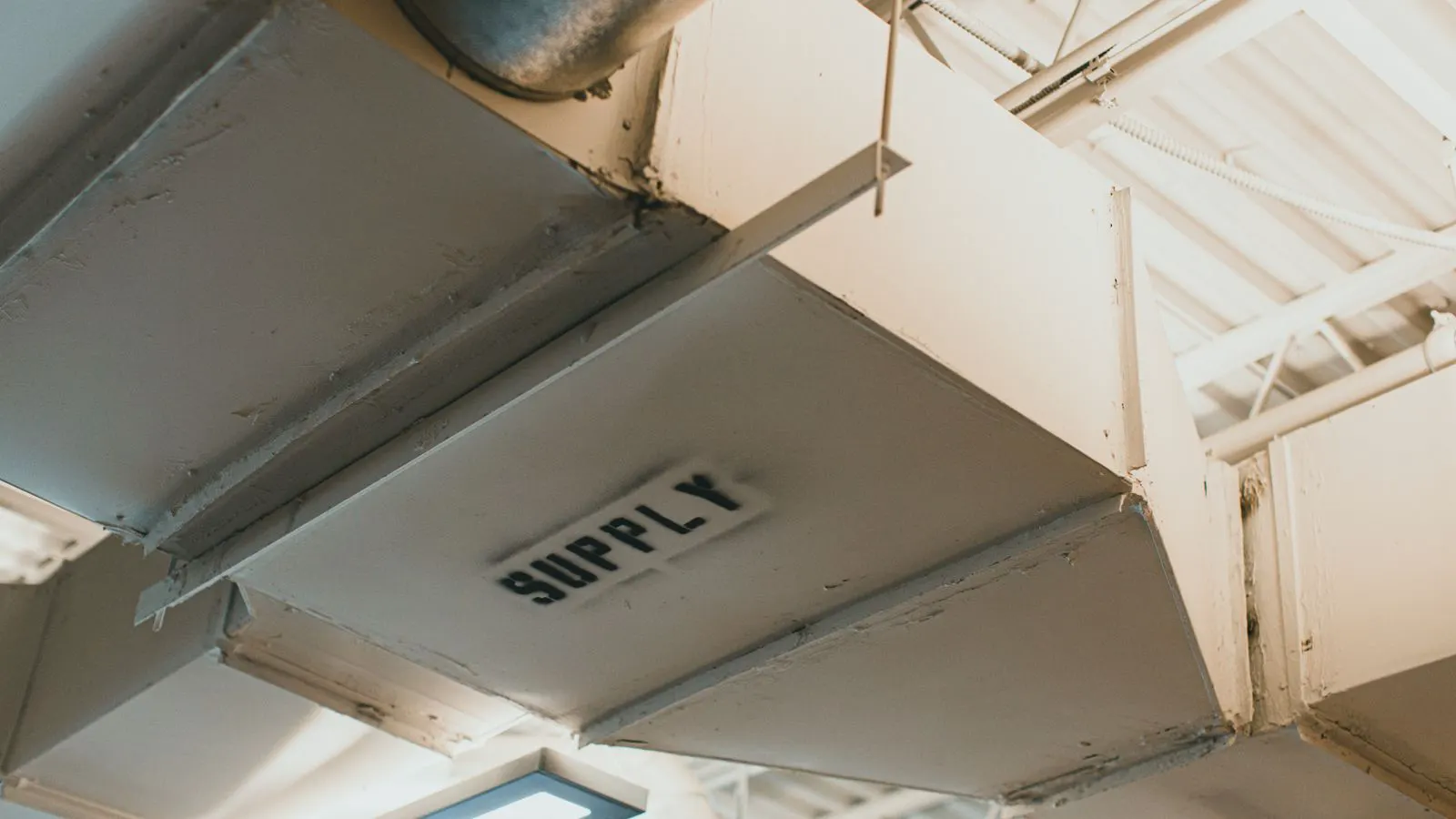
Selecting the right air-cooled exchanger requires matching thermal load, ambient conditions, and mechanical constraints. This guide outlines selection criteria for
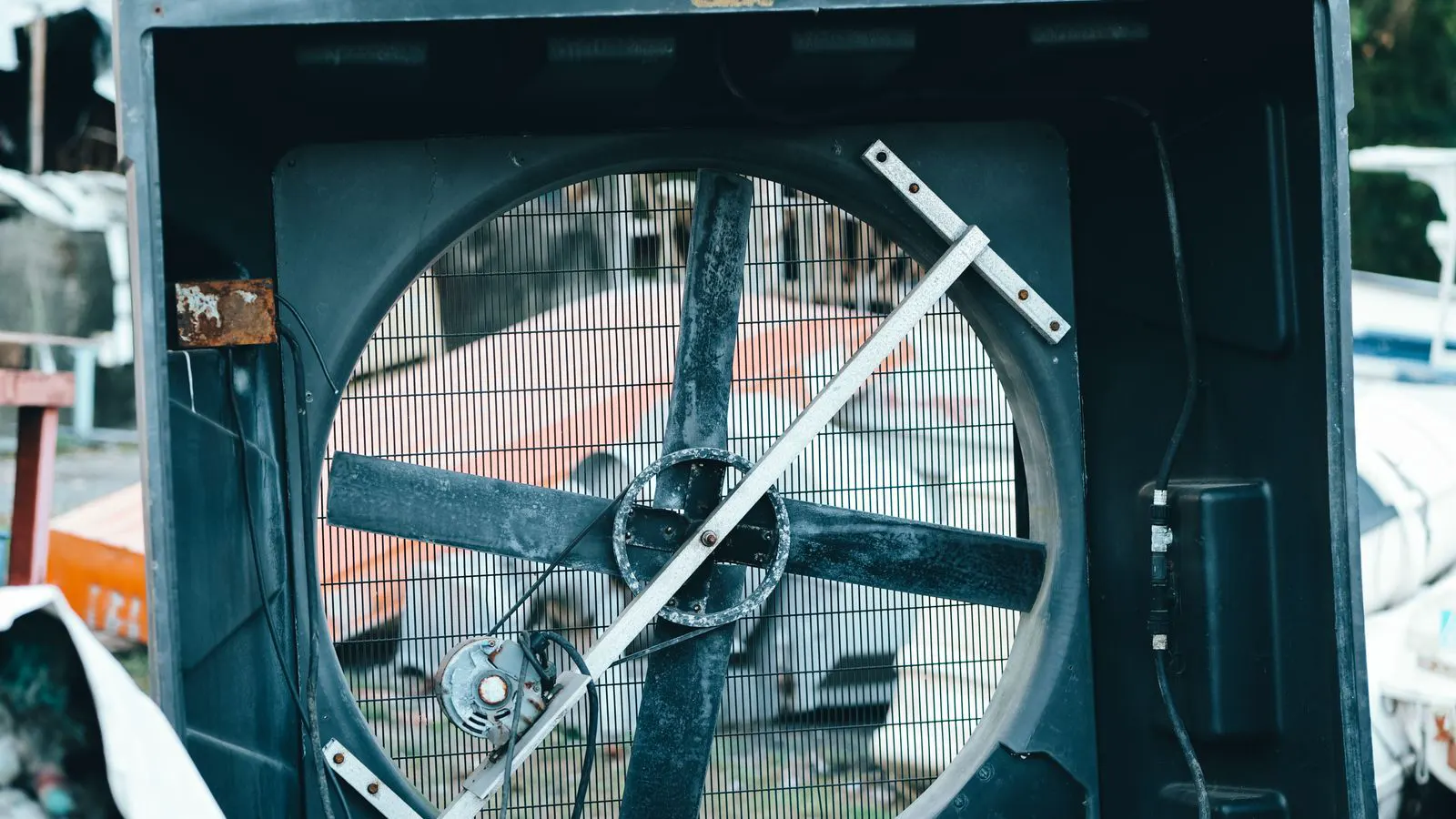
Reduced air cooled fan performance lowers cooling capacity and can damage the unit. This guide lists common symptoms, identifies likely causes such as motor faults and
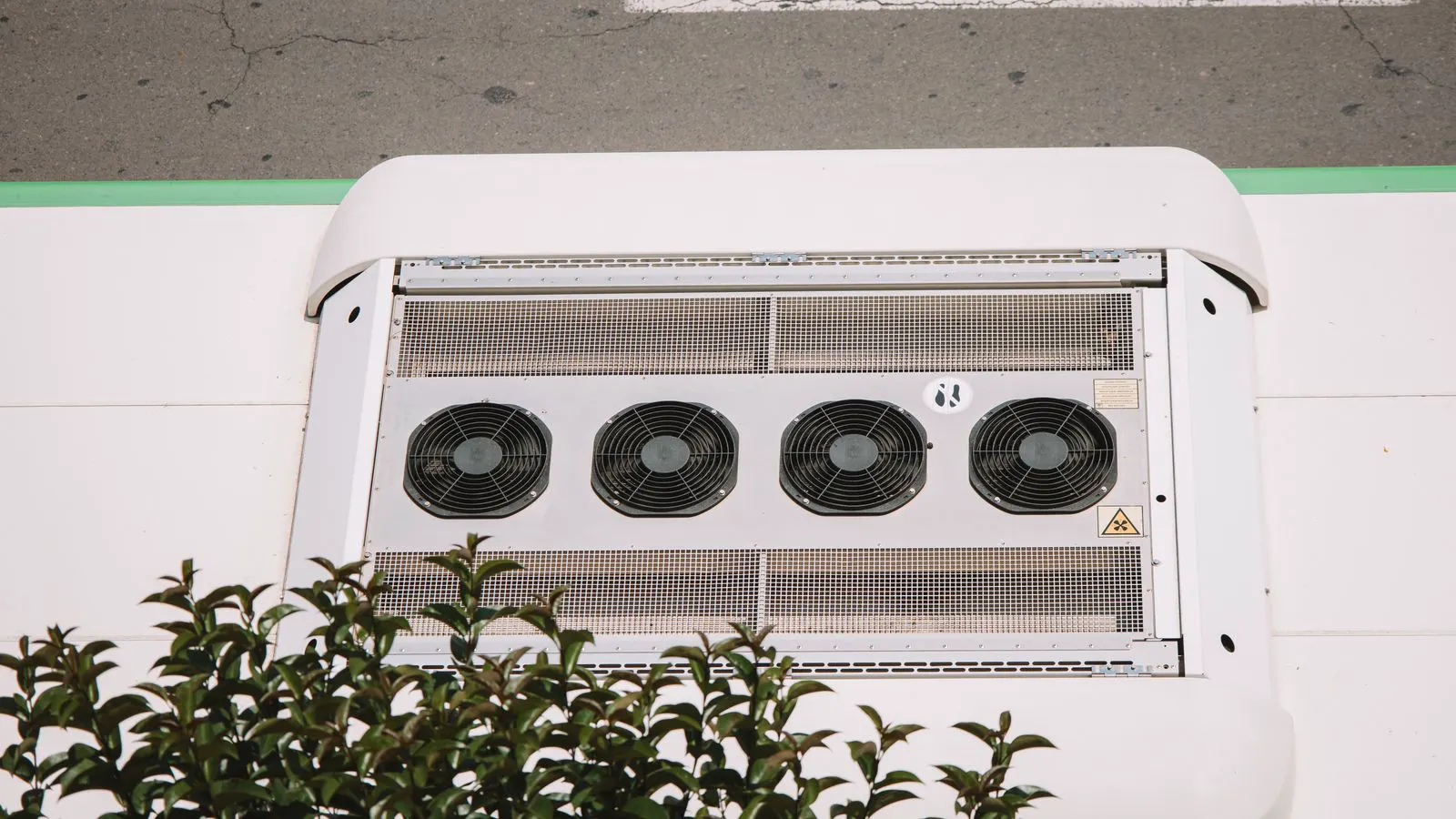
Verify ambient temperature performance before buying an air-cooled heat exchanger. This checklist covers fan sizing, fin geometry, material selection, and documentation