Plate Heat Exchangers
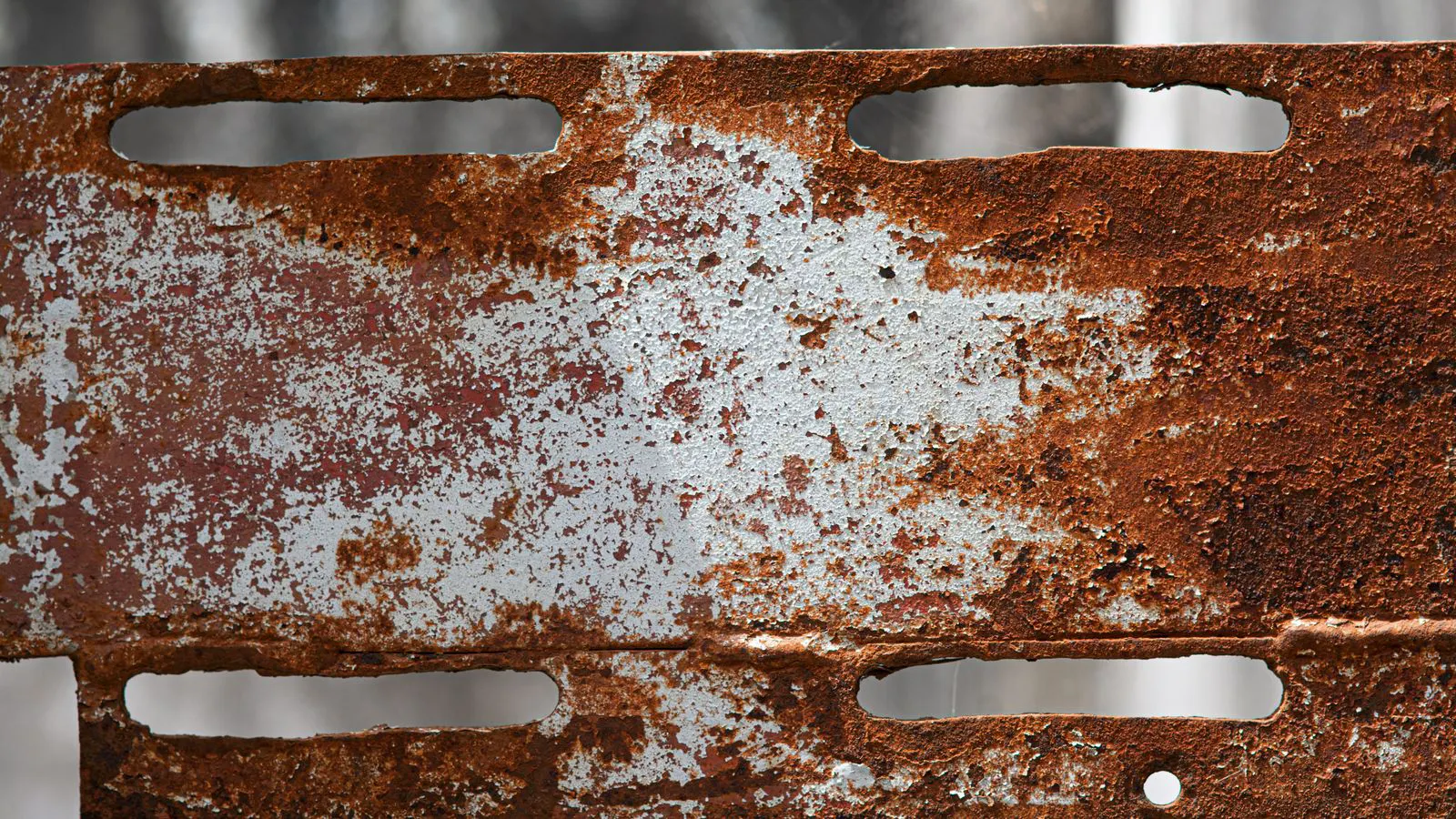
Troubleshooting Plate Heat Exchanger Gasket Seepage
Gasket seepage in plate heat exchangers usually traces back to uneven clamping, degraded elastomers, or chemical incompatibility. This guide lists common leak symptoms
Learn about plate heat exchanger construction, flow patterns, thermal performance, and practical sizing for industrial and commercial applications.
Gasket seepage in plate heat exchangers usually traces back to uneven clamping, degraded elastomers, or chemical incompatibility. This guide lists common leak symptoms
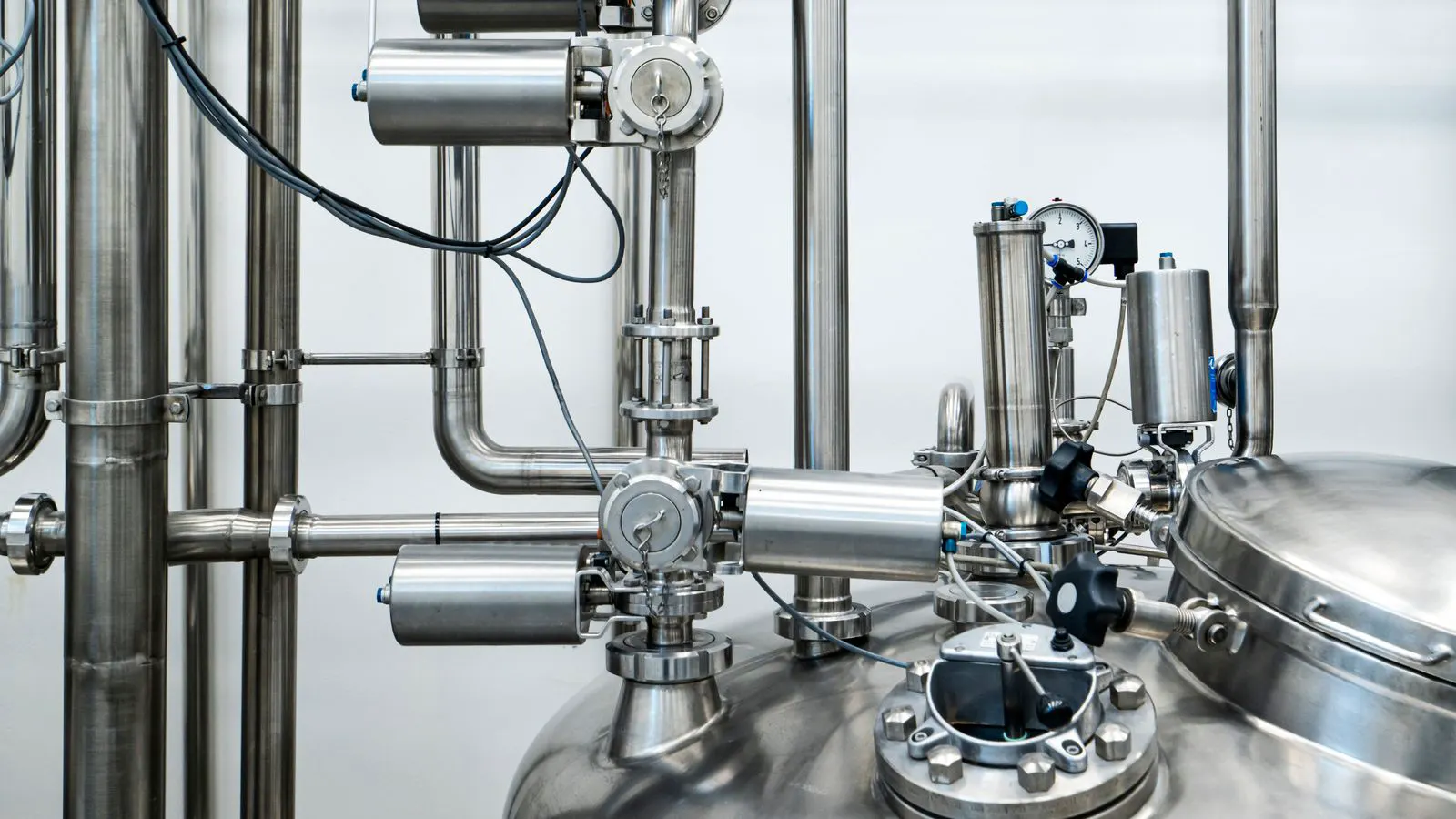
Stainless steel offers cost-effective performance for standard service, while titanium provides superior corrosion resistance for aggressive chemicals. The right choice
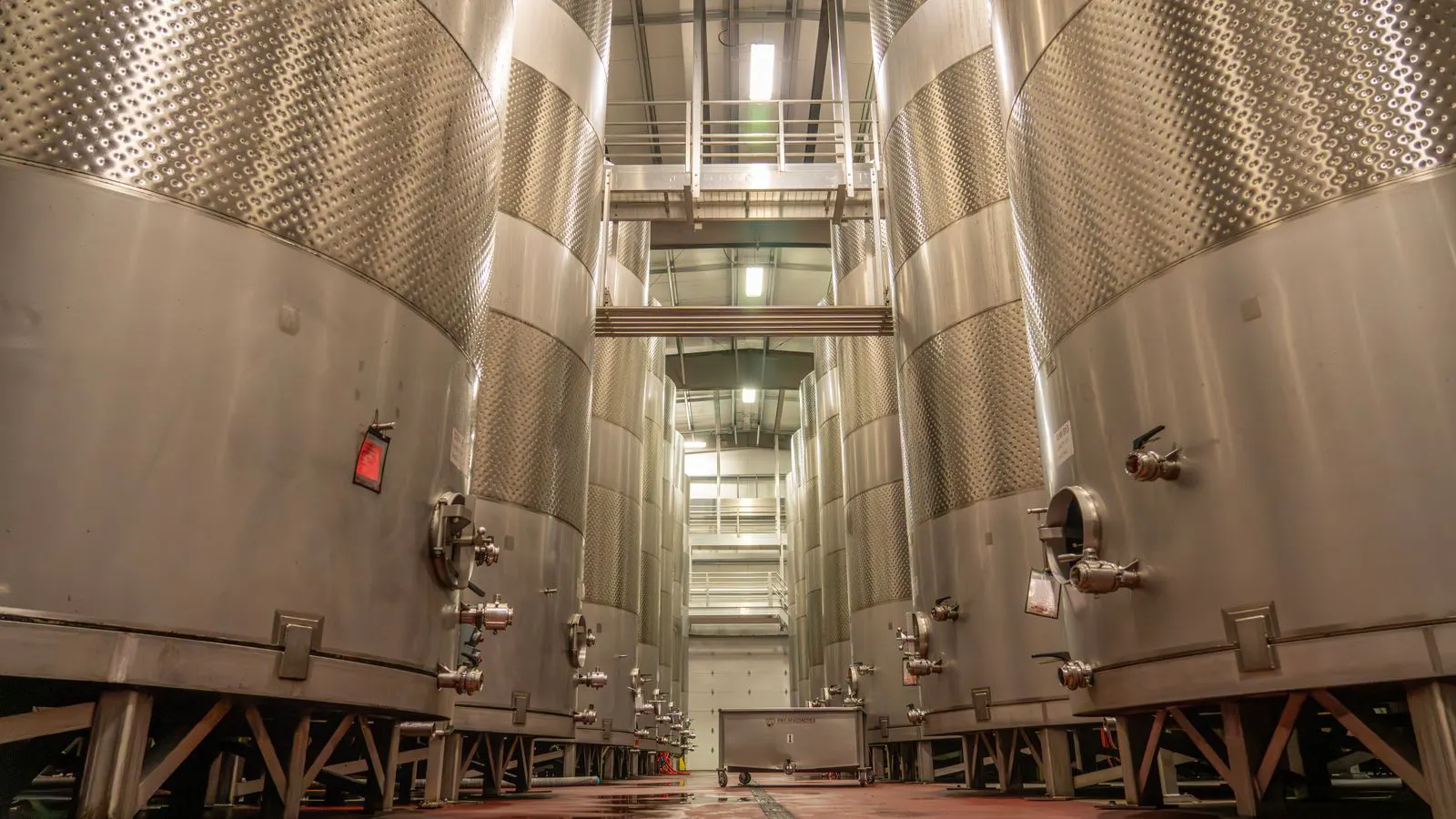
Plate heat exchanger flow determines efficiency by controlling how hot and cold fluids meet. Counter flow keeps the temperature difference higher across the unit.

A practical pre-start checklist for plate heat exchanger installation covers mechanical integrity, fluid compatibility, flow direction, and controls. Verifying these
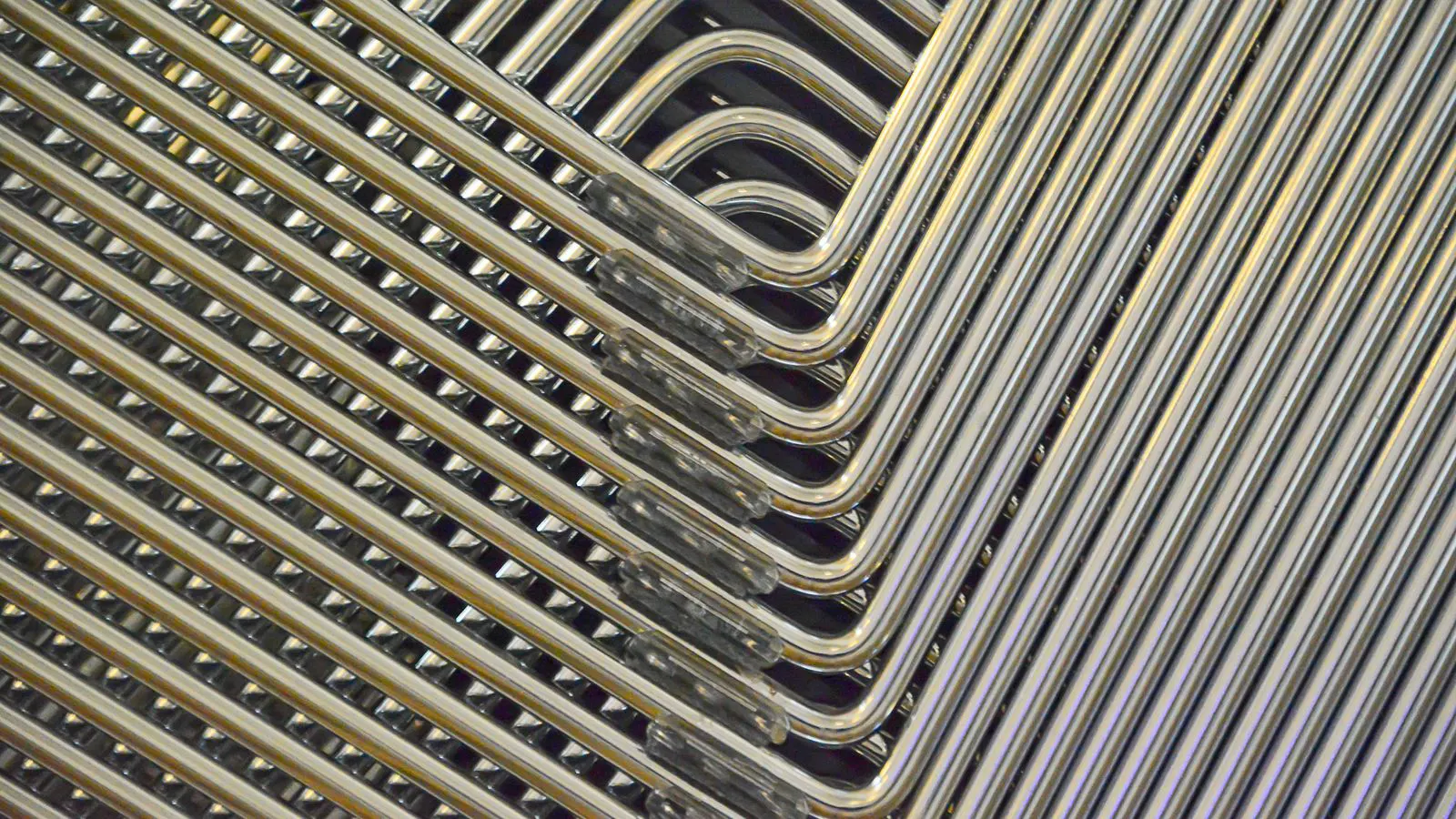
Reduced plate heat exchanger performance usually stems from fouling, air binding, or mechanical damage. This guide maps symptoms to likely causes and provides practical
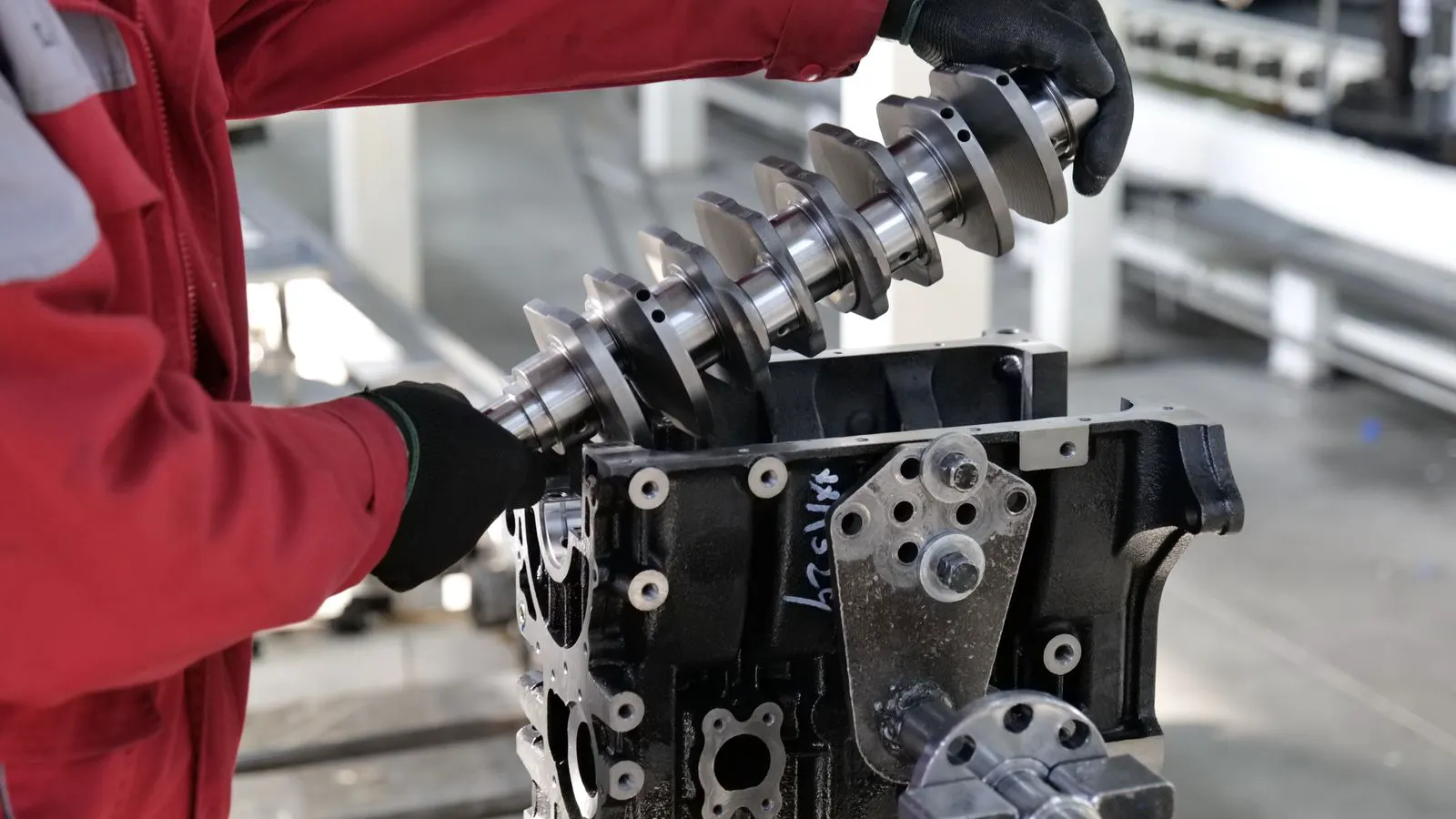
Emerging materials, stricter design standards, and digital integration will reshape plate heat exchanger procurement. Buyers should plan for higher corrosion resistance

Plate heat exchanger cost depends on materials, plate count, size, and pressure rating. Manufacturing lead time varies by complexity and supplier capacity. A detailed
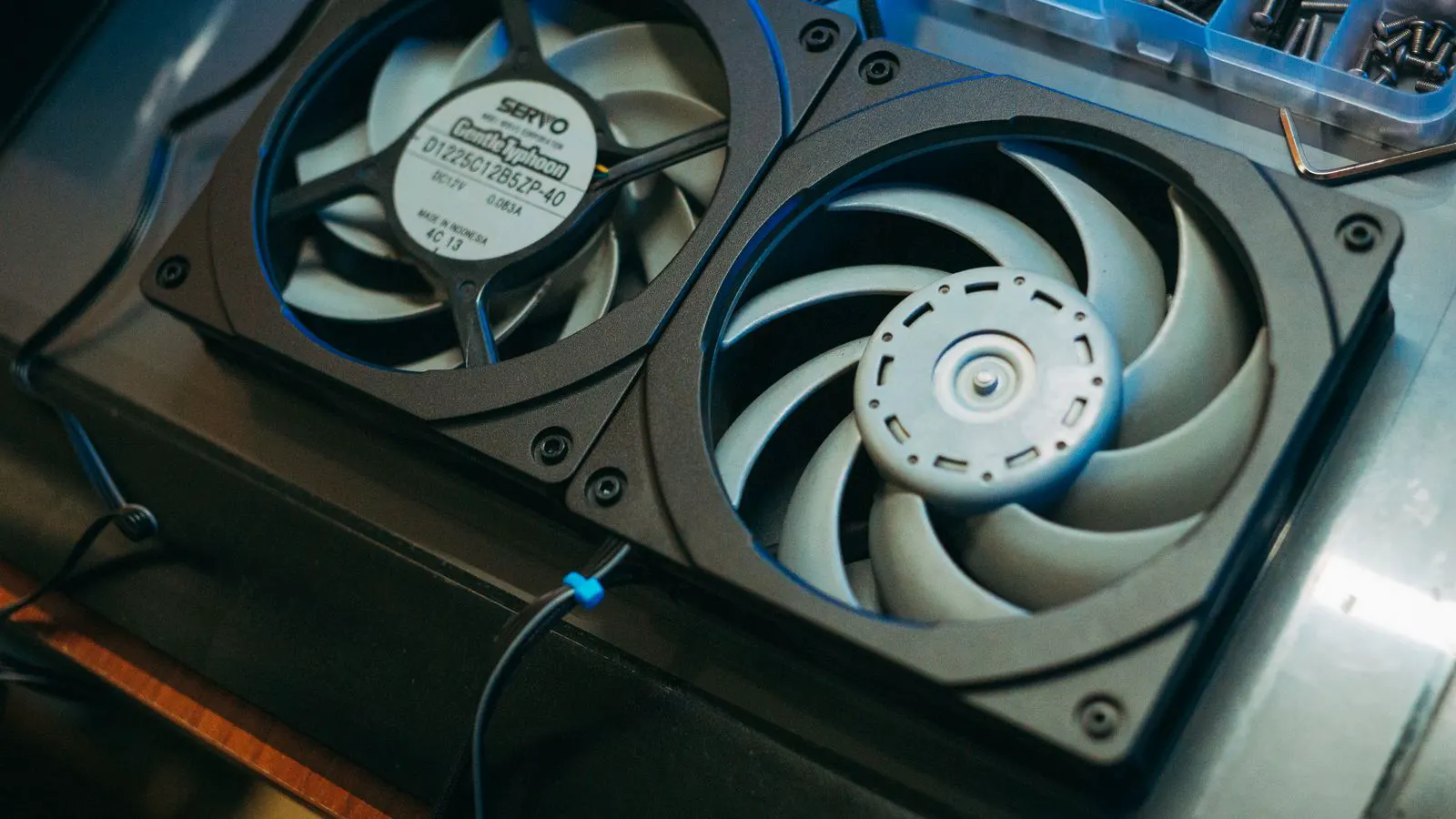
Selecting the right plate heat exchanger requires matching thermal duty to mechanical stress. Evaluate vendor engineering, material compatibility, and long-term

Determine plate heat exchanger size by calculating thermal load, selecting NTU, and choosing the correct plate count. Use specific heat capacities, temperature changes