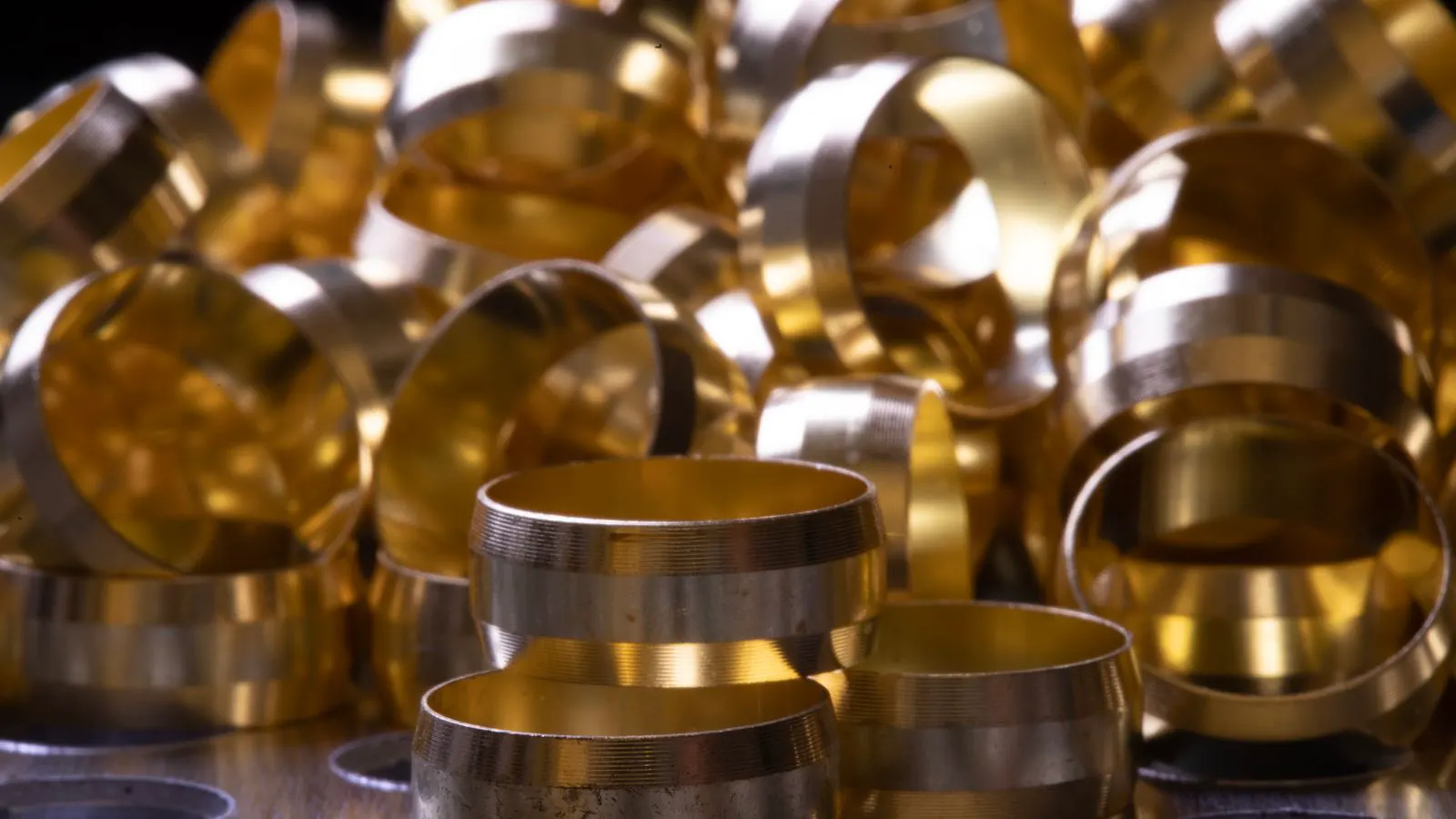
Shell & Tube
Outlook: Emerging Materials for Shell and Tube Heat Exchangers
Emerging materials for shell and tube heat exchangers focus on improved corrosion resistance, lighter weight, and lower maintenance. Buyers should watch for new alloys
Explore shell and tube heat exchanger designs, tube bundle configurations, pressure ratings, and selection guidance for process industries.
Emerging materials for shell and tube heat exchangers focus on improved corrosion resistance, lighter weight, and lower maintenance. Buyers should watch for new alloys

Fixed head designs keep the shell and tubes static, simplifying support but increasing pressure. Movable head designs allow tube movement for expansion. The choice
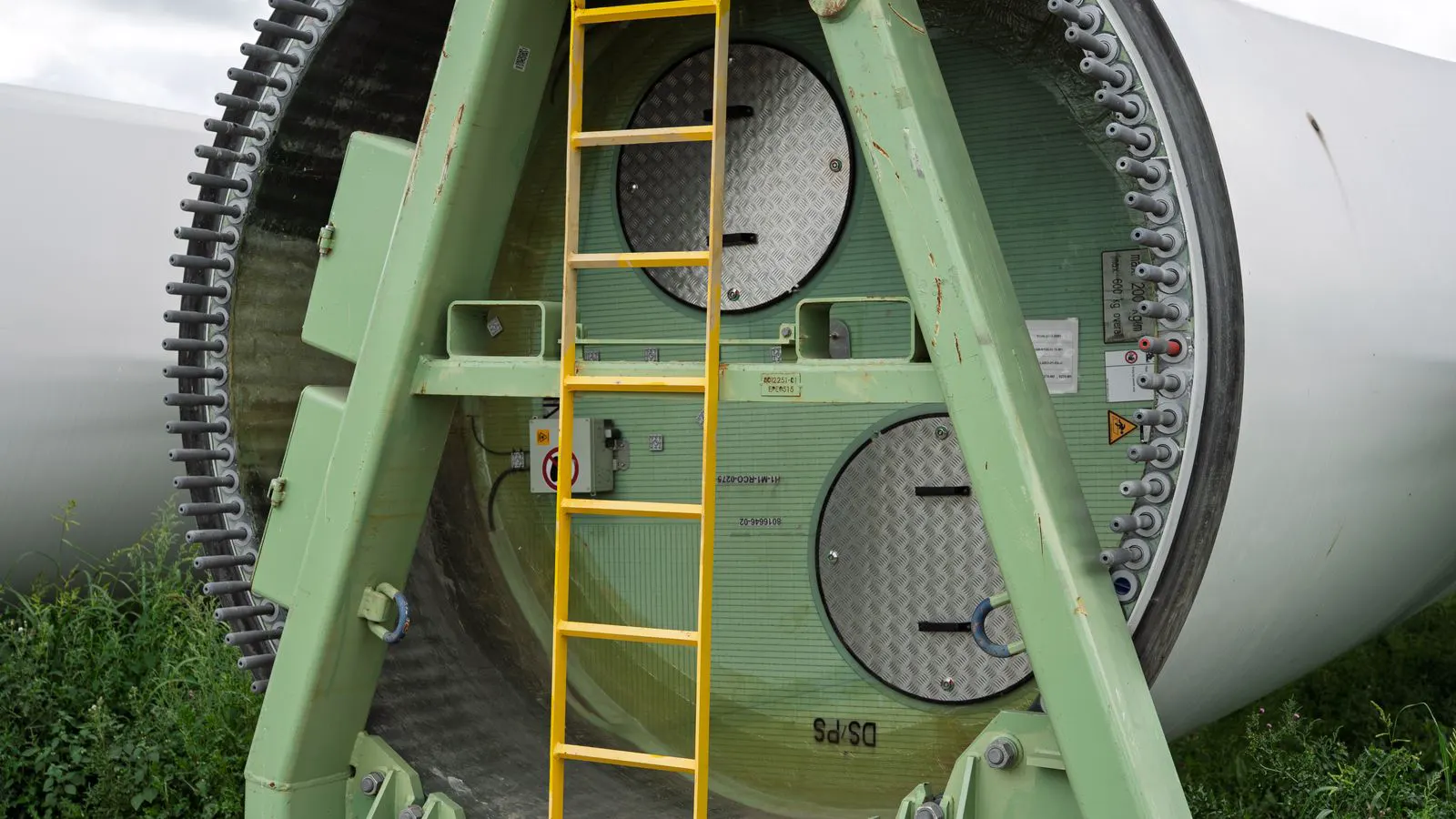
Shell and tube pressure rating depends on shell thickness, tube joint design, and material strength. Design limits are set by calculated stresses and safety margins.
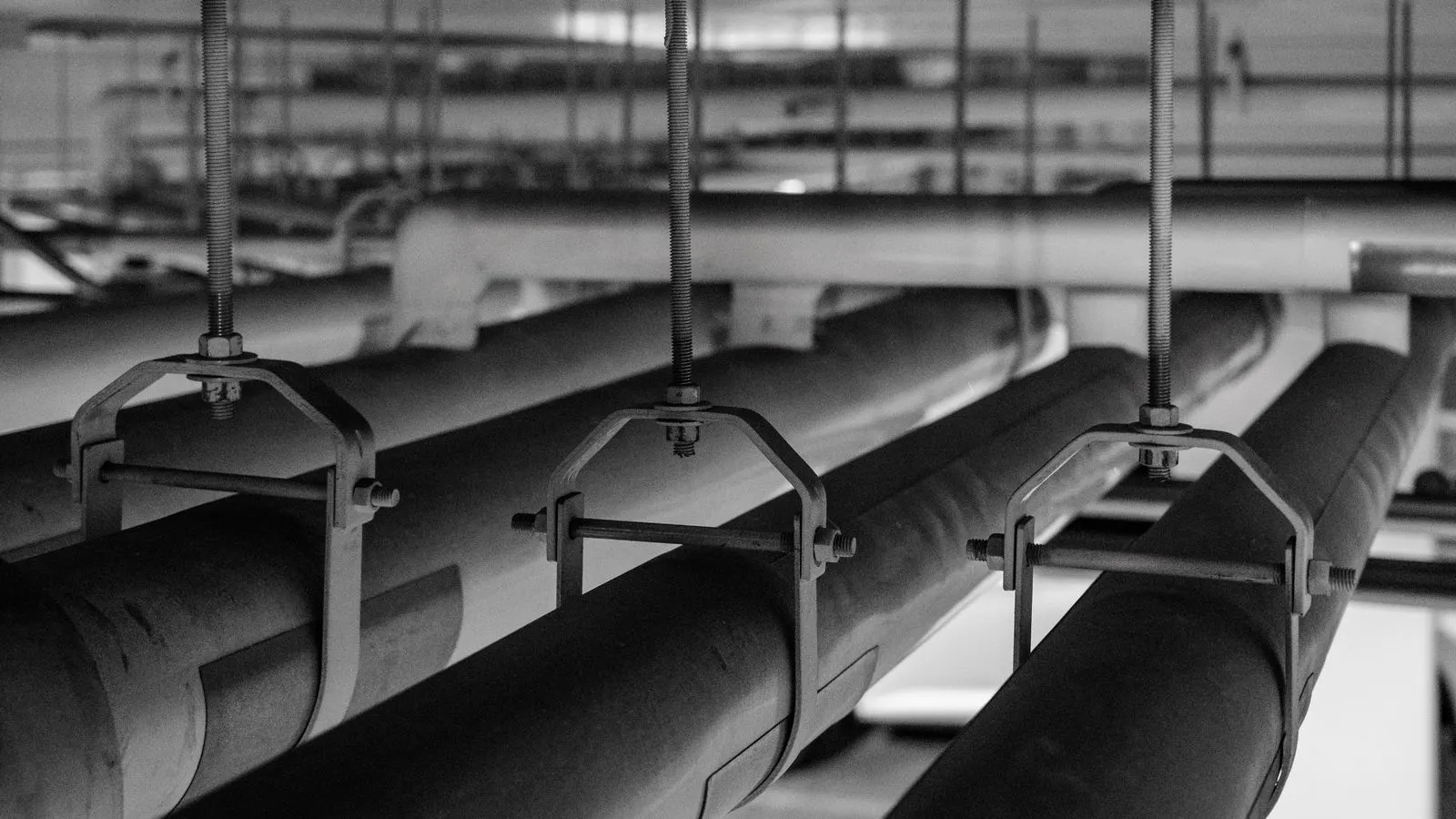
Low performance in shell and tube exchangers usually stems from fouling, reduced flow, incorrect operating pressure, or mechanical damage. This guide lists common
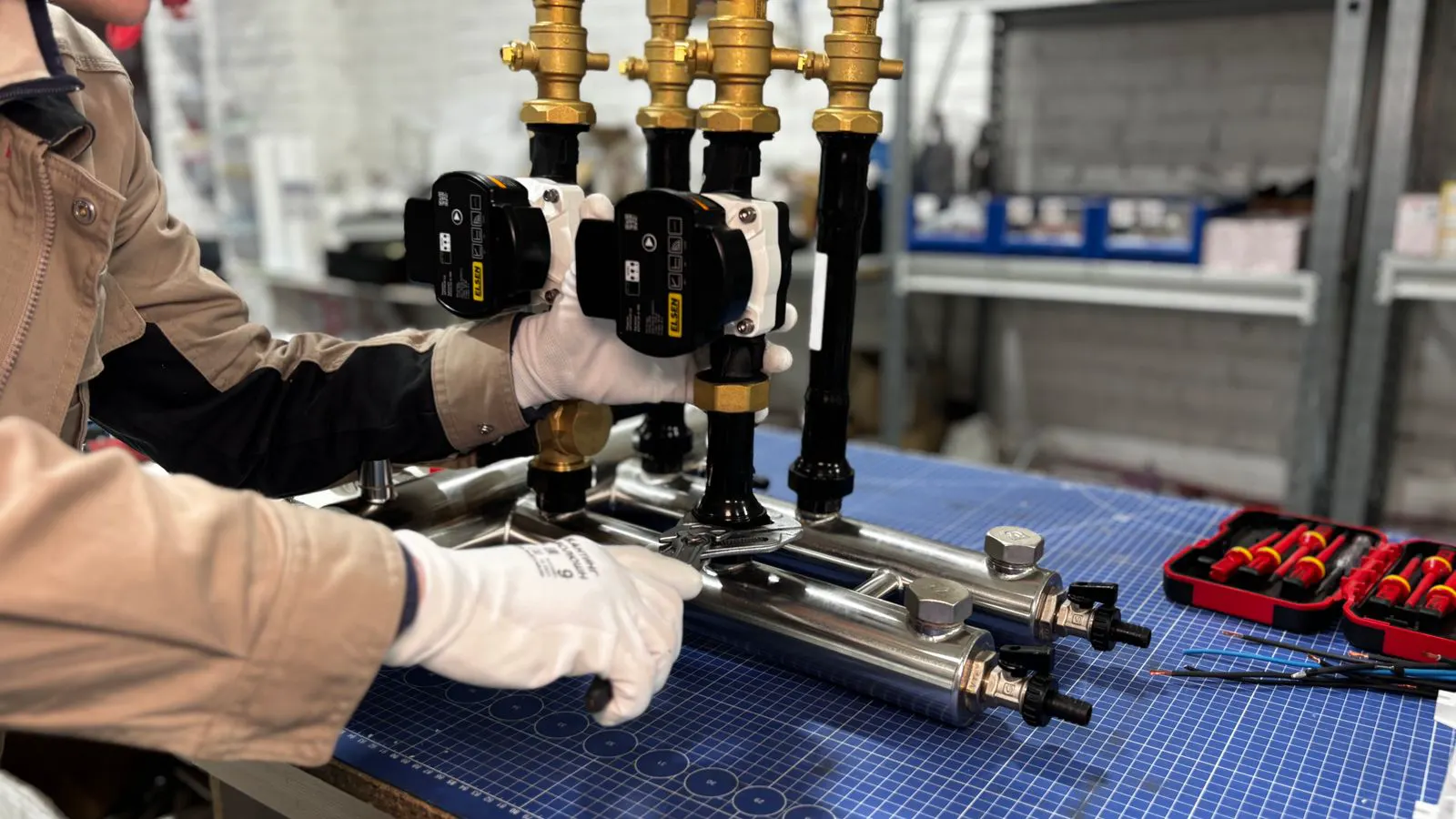
A shell and tube heat exchanger buyers guide provides a structured framework for evaluating selection criteria and vendor evaluation. It helps plant engineers assess

Shell and tube lead time depends on materials, dimensions, and fabrication capacity. Cost drivers include heat transfer surfaces, pressure ratings, and coatings. A clear
Sizing a shell and tube heat exchanger starts with process duty and fluid properties. You then select the configuration, estimate tube count, and verify heat transfer.