Shell and Tube Heat Exchanger Buyers Guide for Process Plants
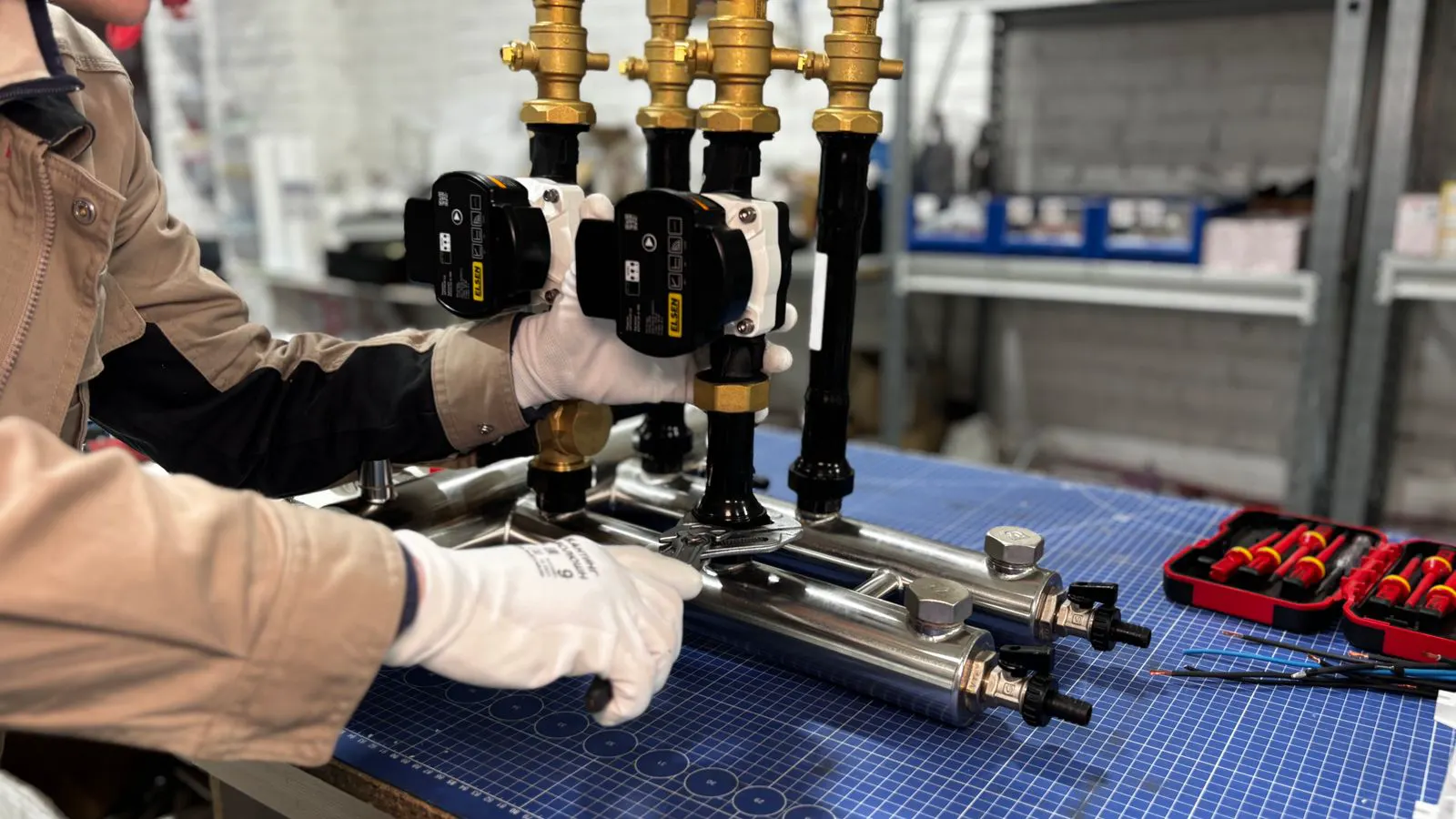
A shell and tube heat exchanger buyers guide provides a structured framework for evaluating selection criteria and vendor evaluation. It helps plant engineers assess process requirements, materials, and supplier capability before issuing a purchase order.
- Define the thermal duty, pressure, and fluid properties before selecting any exchanger geometry.
- Match the shell and tube design to the process constraints using specific selection criteria.
- Use vendor evaluation to verify engineering standards, inspection records, and delivery capability.
- Review the vendor's quality plan and third-party inspection options to reduce long-term risk.
Define the Process Duty and Operating Envelope
Before comparing any shell and tube heat exchanger design, the engineering team must lock down the thermal duty and the operating limits. A heat exchanger is only as good as the data behind it. If the inlet and outlet temperatures are estimated, the final design will likely miss the required capacity. The buyer needs a clear set of boundary conditions, including flow rates, temperatures, pressures, and fluid compositions for both the process stream and the utility side.
The operating envelope includes the maximum and minimum expected conditions. Plants rarely run at a single point. A heat exchanger may need to handle a low-load condition where viscosity changes alter the pressure drop, or a high-load condition where fouling accumulates faster. The buyer guide must reflect these variations. If the process involves a phase change, such as condensation or boiling, the heat transfer coefficient on that side changes significantly. This changes the required surface area and affects the tube bundle design.
The mechanical limits are just as important as the thermal limits. Maximum design pressure, maximum design temperature, and the specific gravity of the fluids determine the thickness of the shell and the supports. If the exchanger will operate near the fluid boiling point or the dew point, the internal pressure drop becomes a critical constraint. High pressure drop can reduce the effective temperature difference or force the utility side to operate at a higher pressure than planned. The buyer must document these limits in the technical data sheet before sending it to vendors.
Evaluate Selection Criteria for the Shell and Tube Design
Selection criteria drive the physical layout of the heat exchanger. The shell and tube design offers several variations, but each has distinct trade-offs regarding efficiency, pressure drop, and cleanability. The buyer must evaluate these options against the specific process requirements.
| Criterion | What to look for | Why it matters |
|---|---|---|
| Shell Type | Fixed head, floating head, or U-bend | Accommodates thermal expansion and allows easier inspection |
| Tube Material | Carbon steel, stainless steel, titanium, or alloys | Matches the fluid chemistry and temperature to prevent corrosion |
| Tube Layout | Cross flow or parallel flow | Optimizes heat transfer and reduces pressure drop |
| Fouling Factor | Low, medium, or high fouling | Determines the required surface area and cleaning access |
| Pressure Drop | Process side and utility side limits | Prevents operational issues and ensures adequate flow |
A fixed head design is simpler and cheaper, but it creates thermal stress at the nozzle. If the temperature difference between the shell and the tubes is large, a fixed head may fail. A floating head design allows for expansion, which is common in high-temperature service. However, the floating head is more complex and harder to inspect. The buyer must decide if the added cost is justified by the thermal stress risk.
The tube material selection is the first line of defense against corrosion. If the process stream contains chlorides or reducing agents, carbon steel will fail. Stainless steel may be needed, but high chloride concentrations can cause pitting. Titanium offers excellent corrosion resistance but is expensive. The vendor evaluation process must confirm that the material selection matches the actual fluid chemistry, not just the assumed chemistry.
The tube layout affects the pressure drop and the heat transfer. A cross flow layout is common for condensing or evaporating duties. A parallel flow layout is better for high viscosity fluids. The buyer must check the pressure drop against the available pump head. If the pressure drop is too high, the exchanger will not perform at the required flow rate.
Assess Vendor Evaluation and Supply Chain Capability
Vendor evaluation is the step where technical specifications meet commercial reality. A vendor may have the best design on paper but lack the capacity to deliver on time. The buyer must look beyond the price quote. The selection criteria table helps identify the technical fit, but vendor evaluation determines if the supplier can execute the job.
Start with the vendor’s engineering standards. Do they follow recognized industry practices for heat exchanger design? Look for evidence of third-party inspection. A reputable vendor will offer third-party inspection by a recognized body. This adds cost but reduces risk. The buyer should ask for the vendor’s quality plan. What are the acceptance tests? How are the welds inspected? What are the hydrostatic test procedures?
The vendor’s production capacity is a key factor. If the order is large, the vendor must be able to schedule the fabrication without delaying other projects. Ask for a realistic lead time. A quote that promises a short lead time without a clear production schedule is a red flag. The buyer should request a detailed project schedule. This should include material procurement, fabrication, internal inspection, testing, and shipping.
The vendor’s service network matters too. Heat exchangers are long-life equipment. If the exchanger fails in five years, the vendor needs to be able to provide parts and technical support. Ask about their spare parts inventory. Do they offer extended warranty terms? A vendor with a strong service history in the specific industry will have better insight into the common failure modes.
Review Materials and Corrosion Resistance
The material selection process requires a deep understanding of the fluid chemistry. The buyer must provide the vendor with a complete chemical composition of all fluids. This includes trace impurities. A vendor cannot select the right material if the chemical data is incomplete.
The corrosion risk is not just about the bulk fluid. It is about the interface between the fluid and the material. If the process involves dissolved oxygen, the corrosion rate increases. If the fluid is acidic, the corrosion rate is higher. The vendor should provide a corrosion risk assessment. This assessment should consider the temperature, the pH, and the presence of halides.
The tube material must match the shell material or be compatible. If the shell is carbon steel and the tubes are stainless steel, a bimetallic reaction can occur. This can cause galvanic corrosion. The vendor should specify the insulation or the material separation if needed.
The support structure also needs the right material. If the support is exposed to the same environment as the process fluid, it must be resistant to the same corrosion. The buyer should check the material selection for the support, the nozzles, and the gaskets. Gaskets are often the weak point. They are exposed to the high pressure and the corrosive environment. The vendor should specify the gasket material based on the fluid and the temperature.
Plan for Inspection and Testing
The inspection plan is the bridge between the design and the final product. The buyer should define the inspection points. What needs to be inspected? When? Who signs off? The vendor should provide a detailed inspection and test procedure.
The hydrostatic test is the most critical mechanical test. It verifies the structural integrity of the shell and the tubes. The test pressure should be higher than the maximum design pressure. The vendor should provide the test report. The buyer should review the report for any leaks or defects.
The non-destructive testing of the welds is also important. The buyer should specify the acceptance criteria. What defect size is acceptable? What type of testing is required? The vendor should provide the NDT report.
The functional test is the final check. The exchanger is connected to the process system and run at the design conditions. The buyer should verify the heat transfer performance. If the heat transfer is below the expected value, the exchanger needs to be re-evaluated.
Make the Final Decision
The final decision should be based on a weighted score. The buyer should create a scoring matrix that rates each vendor on the selection criteria. The technical fit is the primary factor. The vendor evaluation is the secondary factor. The price is the tertiary factor. A cheap exchanger that fails in two years is more expensive than a good one that lasts ten years.
The buyer should review the proposal with the engineering team. The technical data sheet must match the process requirements. The vendor’s quality plan must be acceptable. The delivery schedule must fit the project timeline. The buyer should also consider the long-term cost. The maintenance cost, the energy cost, and the replacement cost are all factors.
The decision should be documented. The buyer should write a decision memo. This memo should state the selected vendor, the selected design, and the rationale. This document will be useful for future reference and for any future modifications.
The shell and tube heat exchanger is a critical piece of equipment in a process plant. The buyer guide provides a framework for making a sound decision. By following the selection criteria and the vendor evaluation process, the buyer can reduce risk and ensure a long, reliable service life.
Frequently asked questions
What is the most common mistake in selecting a shell and tube heat exchanger?
The most common mistake is providing incomplete chemical data to the vendor. If the fluid chemistry is not fully defined, the vendor cannot select the correct material, leading to premature failure.
How do I evaluate the vendor's quality plan?
Review the quality plan for specific inspection points, acceptance criteria, and third-party inspection options. A good quality plan should detail the weld inspection, hydrostatic testing, and final functional testing.
What is the difference between a fixed head and a floating head design?
A fixed head design is simpler and cheaper, but it creates thermal stress. A floating head design allows for thermal expansion, which is better for high-temperature service, but it is more complex and expensive.
How should I handle the pressure drop constraint?
The buyer must define the maximum allowable pressure drop for both the process and utility sides. The vendor should calculate the pressure drop based on the tube layout and the fluid properties. If the pressure drop is too high, the design must be modified.
What documents should I require from the vendor?
The buyer should require a technical data sheet, a quality plan, a project schedule, and a final inspection report. The technical data sheet should match the process requirements, and the inspection report should verify the hydrostatic and functional tests.