Shell and Tube Heat Exchanger Lead Time and Cost Factors
Shell and tube lead time depends on materials, dimensions, and fabrication capacity. Cost drivers include heat transfer surfaces, pressure ratings, and coatings. A clear RFQ helps buyers compare quotes fairly and secure better procurement timelines.
- Lead time varies based on shell material, tube bundle design, and vendor capacity.
- Cost drivers include heat transfer surface area, pressure ratings, and special coatings.
- A precise RFQ with P&ID drawings and specs reduces quote variance.
- Compare quotes by checking material grades, surface treatments, and inspection requirements.
- Early order placement and clear technical data support shorter procurement timelines.
What Drives the Shell and Tube Lead Time
Lead time for a shell and tube heat exchanger is not a single fixed number. It depends on the specific design, materials, and current manufacturing capacity of the vendor. A small, standard unit with mild steel shells and copper tubes may move through the shop in weeks. A large unit with titanium tubes, high pressure ratings, and custom nozzles can take many months.
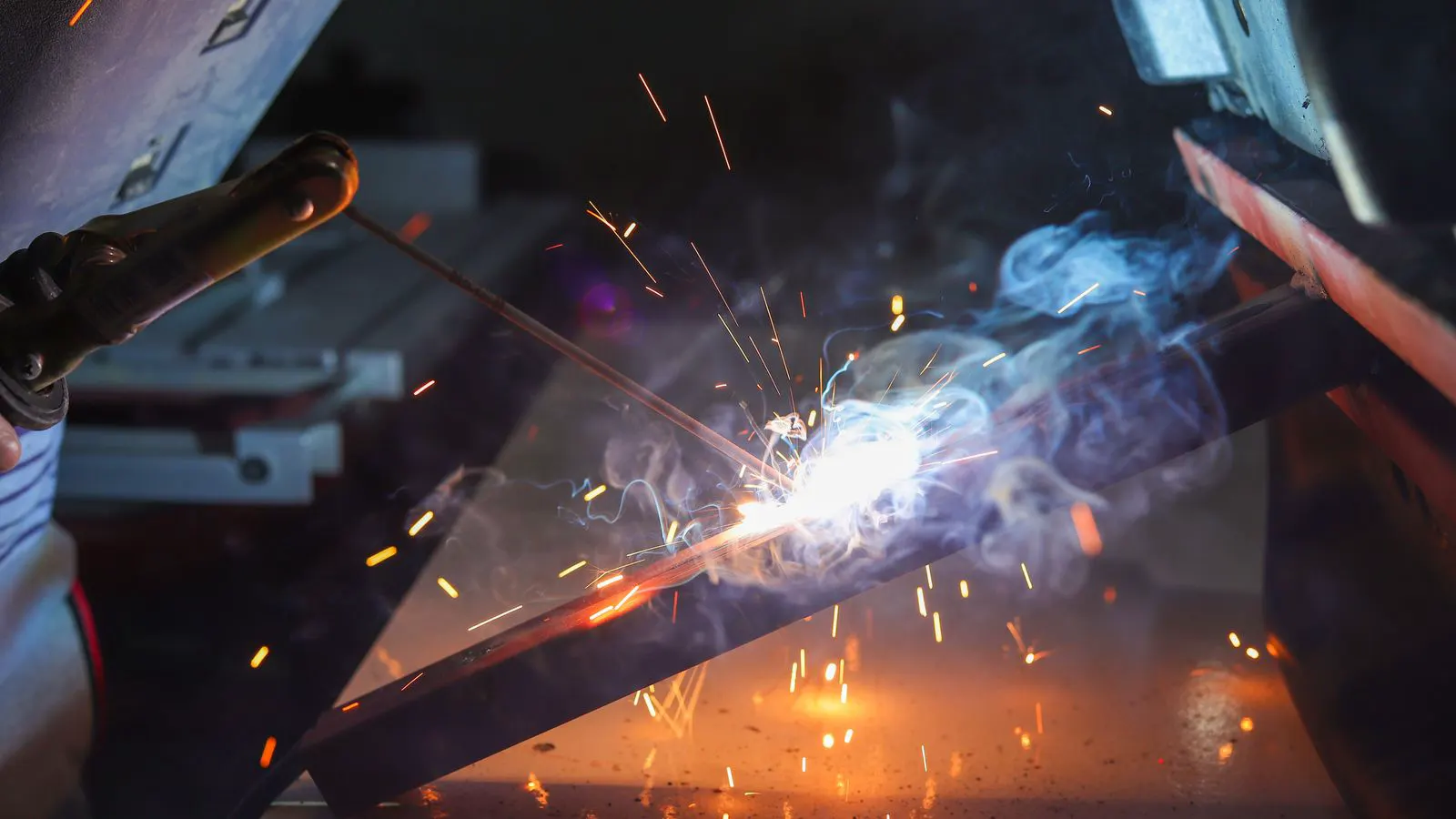
The longest delays usually come from the tube bundle fabrication and the shell fabrication. Tube bending, stamping, and brazing are labor-intensive processes. Shell rolling and welding require heavy equipment and skilled welders. If the vendor is a small fabricator, they may not have the capacity to handle multiple large jobs at once. If they are a major manufacturer, they may have a backlog of orders.
Buyers often underestimate the time required for procurement. The lead time includes not just fabrication, but also raw material sourcing, quality inspection, and testing. If the project requires imported materials or specialized coatings, the timeline extends further.
How to Write a Clear RFQ
A vague RFQ leads to expensive and slow quotes. Vendors need enough detail to price the unit accurately. Without clear data, they either add a large contingency or ask for clarifications, which delays the process.
Start with a process description. State the duty: heating or cooling, the fluids involved, and the operating conditions. Provide inlet and outlet temperatures and flow rates. If possible, include a P&ID or a simple sketch showing nozzle locations and orientation.
Specify the design standards. Mention the applicable standards for the shell, tubes, and supports. Even if you do not know the exact standard, stating “ASME Section VIII” or “EN 13914” helps the vendor understand your expectations.
List the materials. Do not just say “stainless steel.” Specify the grade, such as 316L or 316H. For tubes, specify the material and whether they are plain, finned, or double-ended. If you require special coatings like passivation or internal cleaning, state them clearly.
Include the operating parameters. Maximum operating pressure and temperature are critical. These determine wall thickness, nozzle size, and support requirements. If the exchanger will operate at high temperature or high pressure, say so. This affects the design and the lead time.
Cost Drivers in Shell and Tube Design
Price is not just about the base metal. Several factors drive the cost of a shell and tube heat exchanger.
| Cost Driver | Impact on Price |
|---|---|
| Heat Transfer Surface Area | Larger tube bundles increase material and fabrication cost. |
| Pressure and Temperature Rating | Higher ratings require thicker shells and tubes, increasing cost. |
| Material Grade | Exotic materials like titanium or nickel alloys cost significantly more. |
| Tube Configuration | Finned or double-ended tubes increase cost and fabrication time. |
| Surface Treatment | Passivation, internal cleaning, or special coatings add labor cost. |
| Inspection and Testing | Hydrostatic testing or non-destructive testing adds time and cost. |
The heat transfer surface area is the biggest driver. A unit with 1,000 tubes costs more than one with 500 tubes. The tube material matters too. Copper tubes are cheaper than titanium tubes. If the application involves corrosive fluids, you may need alloy tubes, which raise the price.
Pressure and temperature ratings affect the shell thickness. A low-pressure water cooler has thin shells. A high-pressure steam generator requires thick steel and careful welding. The material grade is the next major factor. Carbon steel is the baseline. Stainless steel is more expensive. Exotic alloys are the most expensive.
How to Compare Quotes Fairly
Vendors quote differently. One may include shipping, while another quotes at the factory gate. One may include the tube sheet, while another excludes it. To compare quotes fairly, you need to look at the same items.
Check the scope of supply. Does the price include the heat exchanger body, the tube bundle, the supports, and the nozzles? Does it include the nameplate and documentation? If one quote includes these and another does not, the price is not comparable.
Look at the material specifications. If one vendor quotes 304L stainless steel and another quotes 316L, the price difference is expected. Do not assume a lower quote is better if the material grade is different.
Check the surface finish. A rough machined surface costs less than a polished or passivated surface. If your application requires a specific finish, ensure the quote includes it.
Review the lead time. A lower price with a long lead time may not be suitable for your project. If you need the unit in three months, a six-month quote is not a viable option, regardless of price.
The Role of the Procurement Timeline
The procurement timeline is a chain of events. It starts with the design freeze. If the design changes after the order is placed, the lead time resets. Changes to nozzle location, material, or pressure rating can stop the fabrication process.
Raw material availability affects the timeline. If the vendor must wait for a specific grade of steel or titanium, the project slows down. Large orders may require special mill runs. This can add months to the schedule.
Quality inspection is another factor. Vendors perform hydrostatic testing, dimensional checks, and sometimes non-destructive testing. These steps take time. If the buyer requires third-party inspection, that adds more time.
Shipping and logistics matter too. A large heat exchanger cannot fit on a standard truck. It may require a special trailer and a permit. If the destination is a remote site, the logistics can be complex.
How to Reduce Lead Time and Cost
You cannot control the vendor’s capacity, but you can control how you order.
- Finalize the design before issuing the RFQ. Avoid last-minute changes.
- Provide complete technical data. Include P&IDs, material specs, and operating conditions.
- Order early. If the project requires the unit in six months, place the order eight months in advance.
- Consider standard configurations. Custom designs take longer and cost more.
- Specify inspection requirements clearly. Avoid disputes over quality standards.
A well-prepared RFQ reduces the time the vendor spends on clarifications. It also reduces the chance of rework. Rework is the biggest killer of lead time. If the tube bundle does not fit the shell, the vendor must dismantle and rebuild. This adds weeks to the schedule and increases the cost.
The relationship between the buyer and the vendor also matters. If you communicate clearly and respond quickly to questions, the process moves faster. If you are slow to respond, the vendor holds the project while they wait.
What to Expect in the Final Invoice
The final invoice should match the RFQ scope. Check the line items. If the vendor added a surcharge for expedited shipping or additional inspection, it should be listed. If there are material price escalations, they should be justified with reference to market rates.
Review the documentation. You should receive the drawing set, material certificates, hydrostatic test report, and warranty. If any of these are missing, hold payment until they are provided.
The cost of a shell and tube heat exchanger is not just the sticker price. It includes the cost of downtime if the unit is late. It includes the cost of rework if the design is wrong. It includes the cost of maintenance if the materials are unsuitable.
How to Handle Delays
Delays happen. Raw material shortages, machine breakdowns, and labor issues can all push the schedule. If your vendor tells you the unit will be late, ask for a revised schedule. Ask what caused the delay and what they are doing to recover the time.
If the delay impacts your project, review the contract. Most contracts have liquidated damages for late delivery. If the vendor is responsible for the delay, you may be entitled to compensation.
If you are the vendor, communicate early. Do not wait until the last minute to tell the buyer the unit is late. Provide a clear explanation and a revised delivery date. This builds trust and may save the relationship.
The goal is to manage expectations. If the buyer knows the unit will be late, they can adjust their schedule. If they find out late, the impact is greater.
The cost and lead time of a shell and tube heat exchanger are manageable if you approach the purchase with discipline. Use a clear RFQ. Compare quotes on the same basis. Order early. And maintain open communication with your vendor. These steps will help you secure the right unit at the right price and on time.
Frequently asked questions
What is the typical lead time for a standard shell and tube heat exchanger?
A standard unit with common materials may take several months. A custom unit with exotic materials or high pressure ratings can take over a year.
How do I reduce the cost of a shell and tube heat exchanger?
Use standard materials and configurations. Avoid excessive surface area. Specify realistic pressure and temperature ratings. Order early to avoid expedited shipping costs.
What happens if I change the design after ordering?
The lead time resets. Changes to nozzle location, material, or pressure rating can stop fabrication. Rework adds cost and time.
Should I include inspection requirements in my RFQ?
Yes. Specify hydrostatic testing, dimensional checks, and non-destructive testing. This avoids disputes and ensures the unit meets your quality standards.
How do I compare quotes from different vendors?
Check the scope of supply, material specifications, and surface finish. Ensure all quotes include the same items. Do not compare a factory gate price to a delivered price.