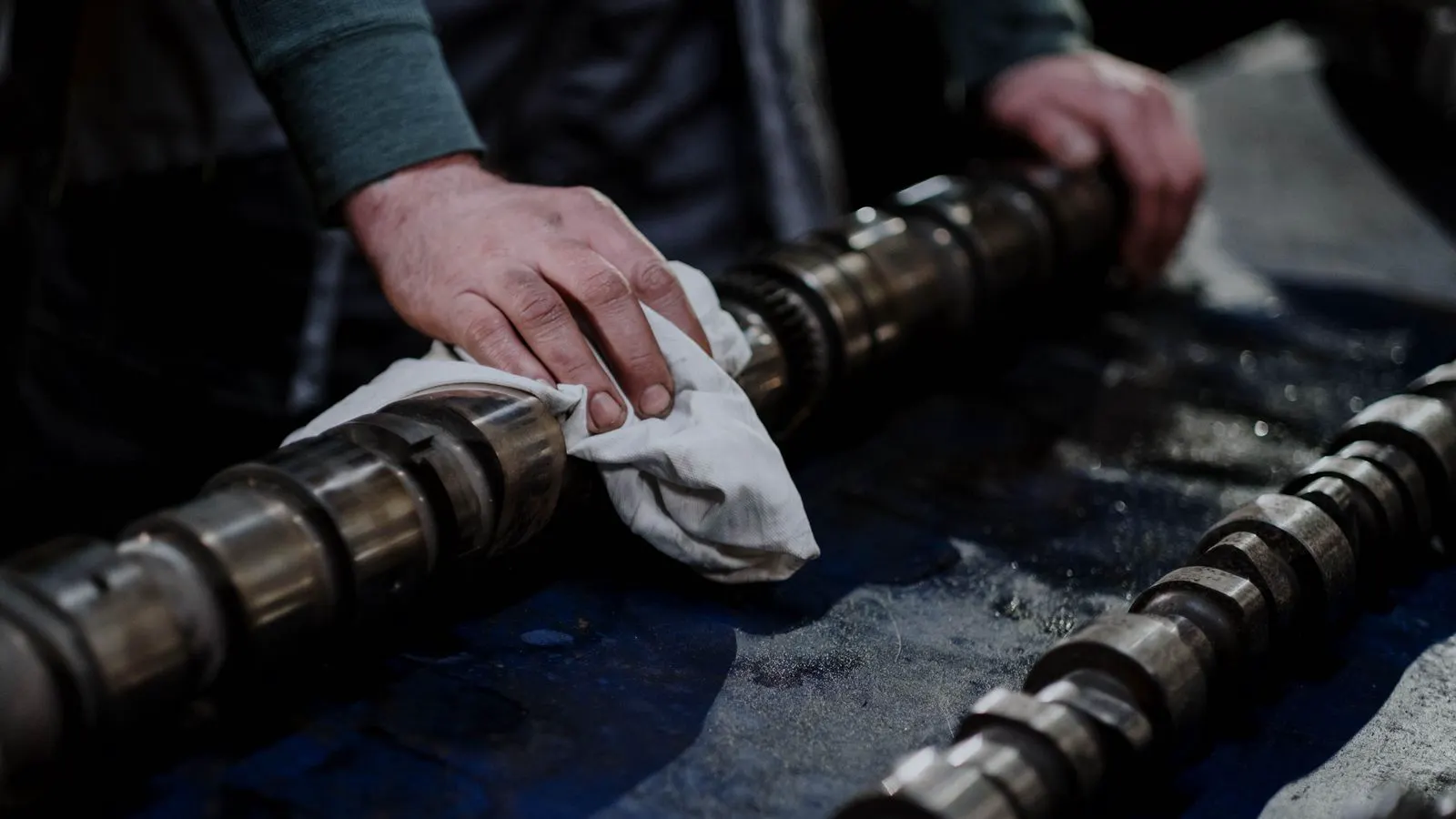
Maintenance
Comparison: Dry Cleaning vs Wet Cleaning for Heat Exchangers
Dry cleaning removes loose debris without water, while wet cleaning flushes out dissolved fouling. The right choice depends on fouling type, material sensitivity, and
Learn about routine heat exchanger inspection, cleaning, inspection intervals, and maintenance practices that protect performance and extend
Dry cleaning removes loose debris without water, while wet cleaning flushes out dissolved fouling. The right choice depends on fouling type, material sensitivity, and

Selecting a heat exchanger maintenance contract requires checking service levels, response times, and scope definitions. A strong agreement specifies inspection
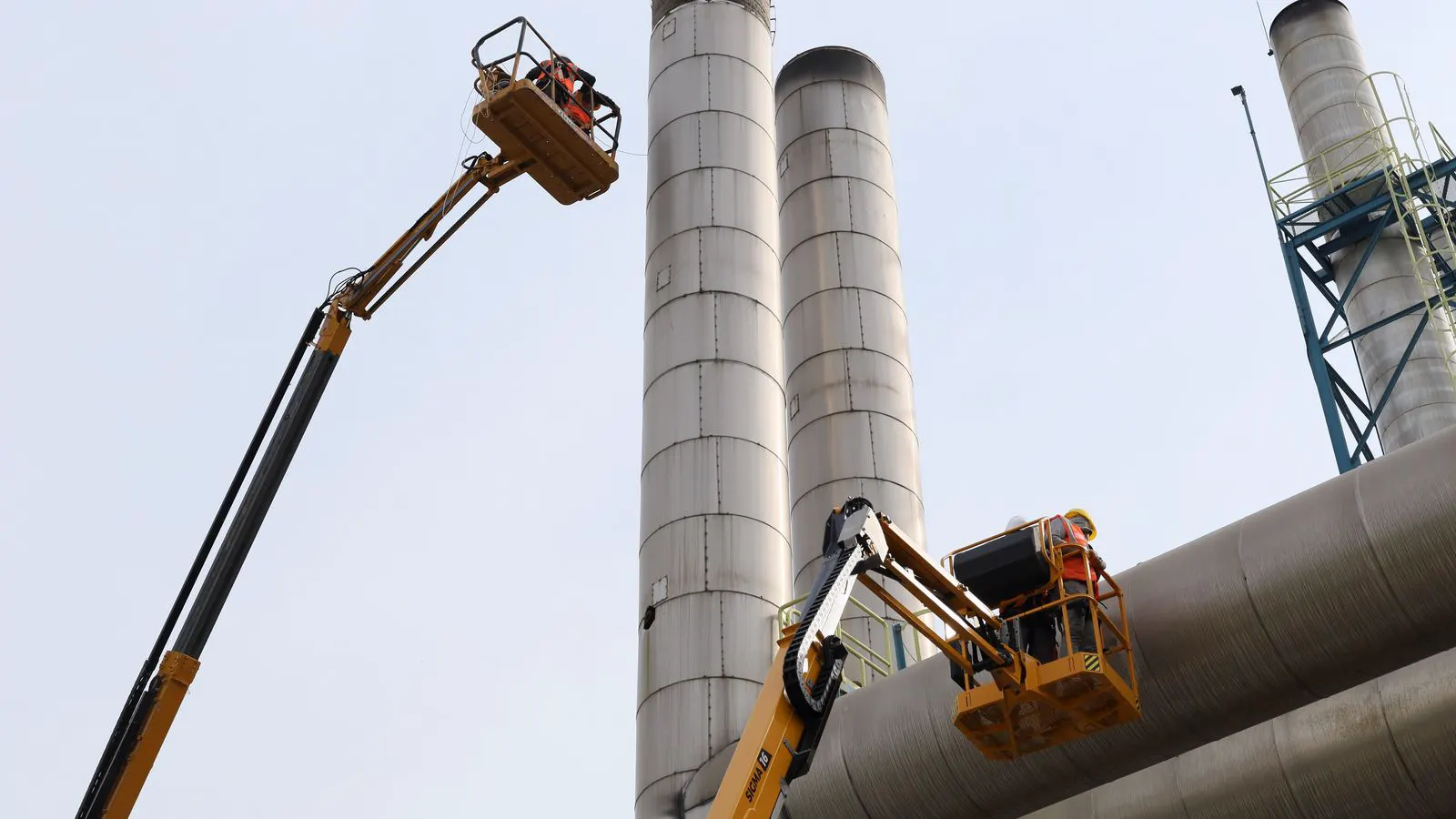
Automated heat exchanger monitoring shifts maintenance from scheduled intervals to condition-based actions. Buyers should plan for sensor integration, data

Cleaning costs vary significantly based on fouling severity, exchanger size, and downtime tolerance. Chemical cleaning is usually cheaper and faster for light to
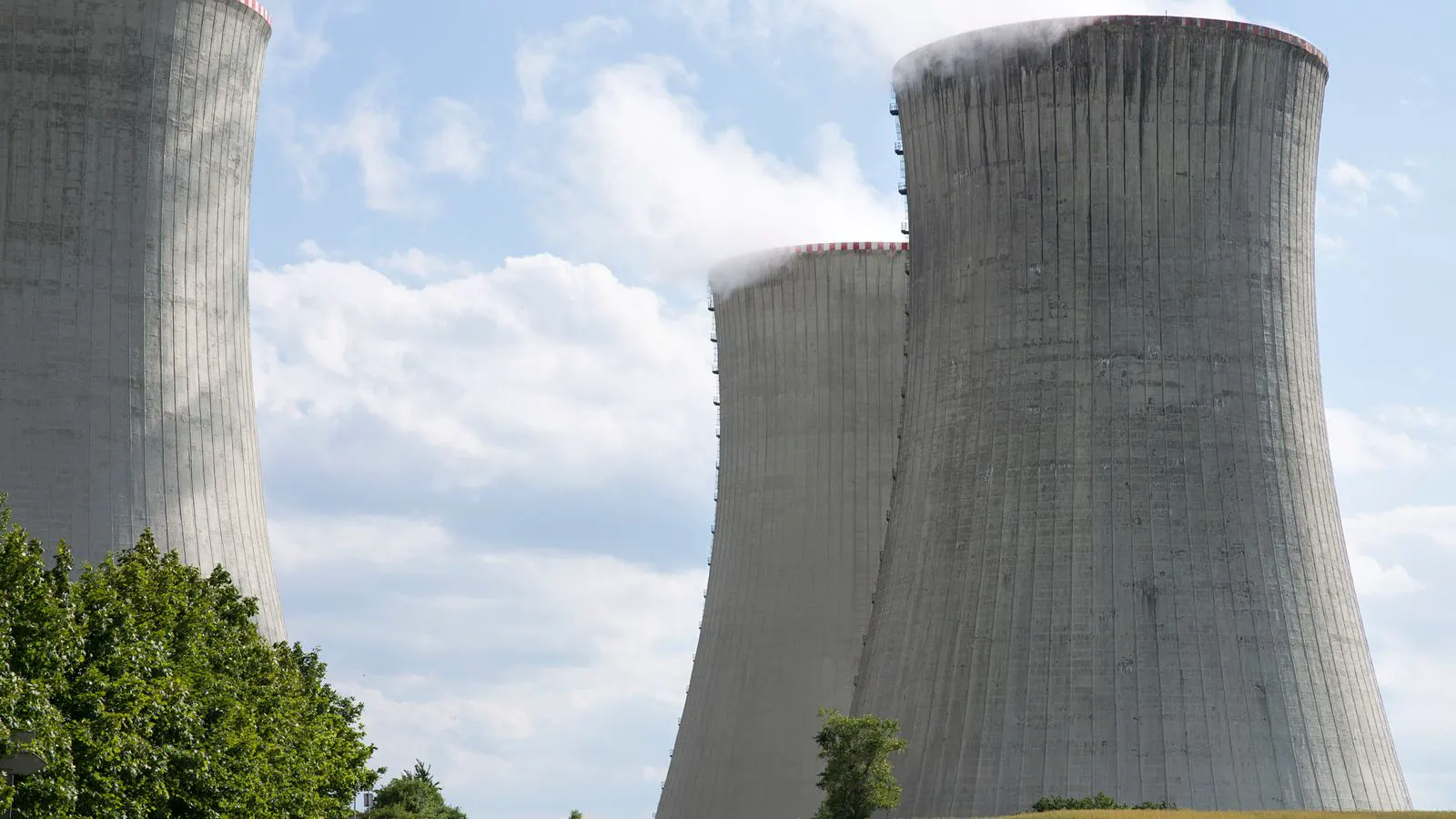
Vapor lock traps steam bubbles in the suction line, blocking liquid flow to the heat exchanger. It causes pressure drops, vibration, and pump damage. Identify the
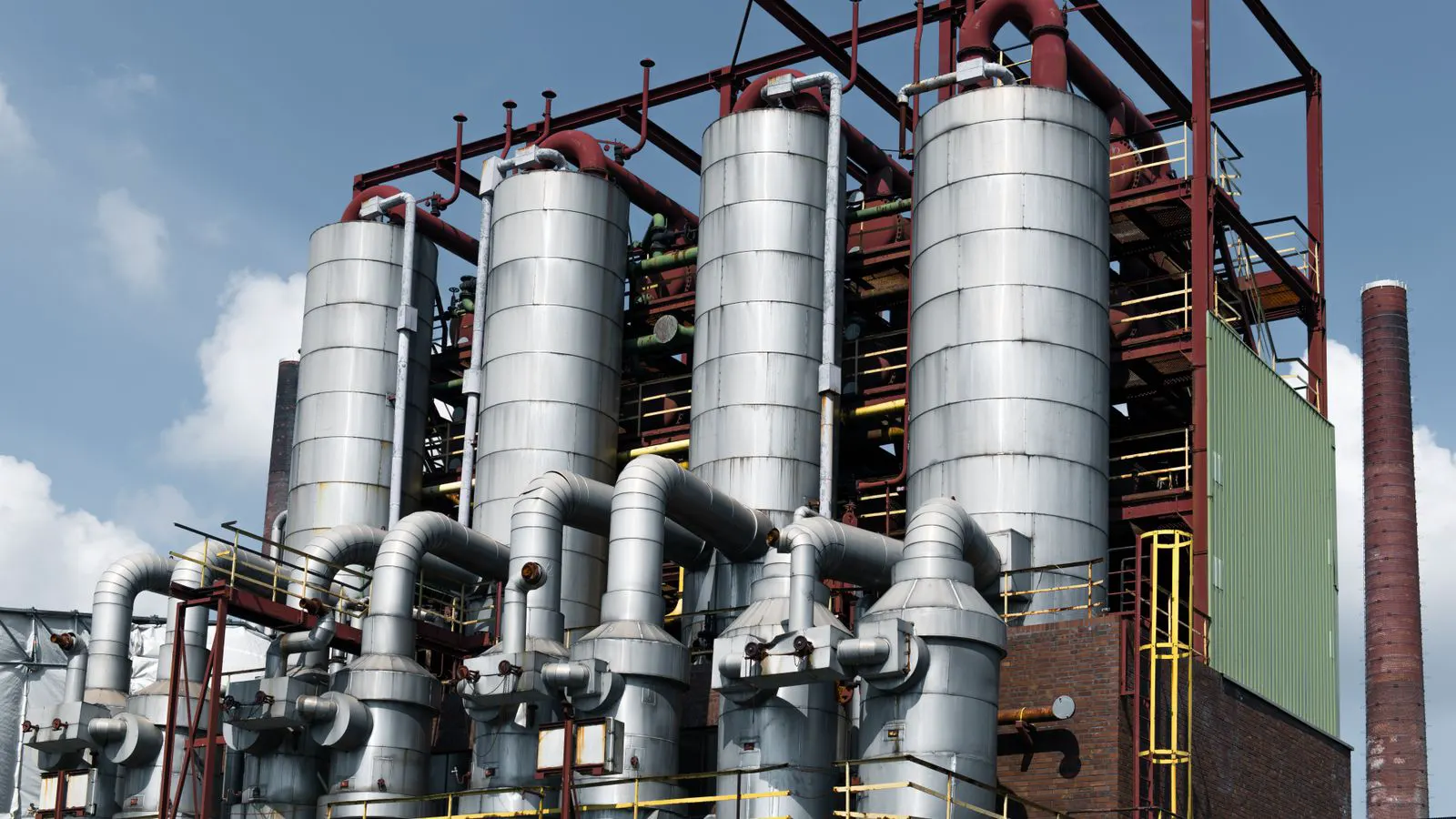
Heat exchanger fouling builds up on heat transfer surfaces, increasing thermal resistance and reducing the rate of heat transfer. This guide explains the main fouling