Sizing & Selection
Checklist: Heat Exchanger Design Parameters to Verify
This checklist helps you verify heat exchanger design parameters before purchase. It covers thermal loads, mechanical stresses, material compatibility, and sizing inputs
Get clear guidance on heat exchanger sizing methods, selection criteria, and practical considerations for matching equipment to process requirements.
This checklist helps you verify heat exchanger design parameters before purchase. It covers thermal loads, mechanical stresses, material compatibility, and sizing inputs
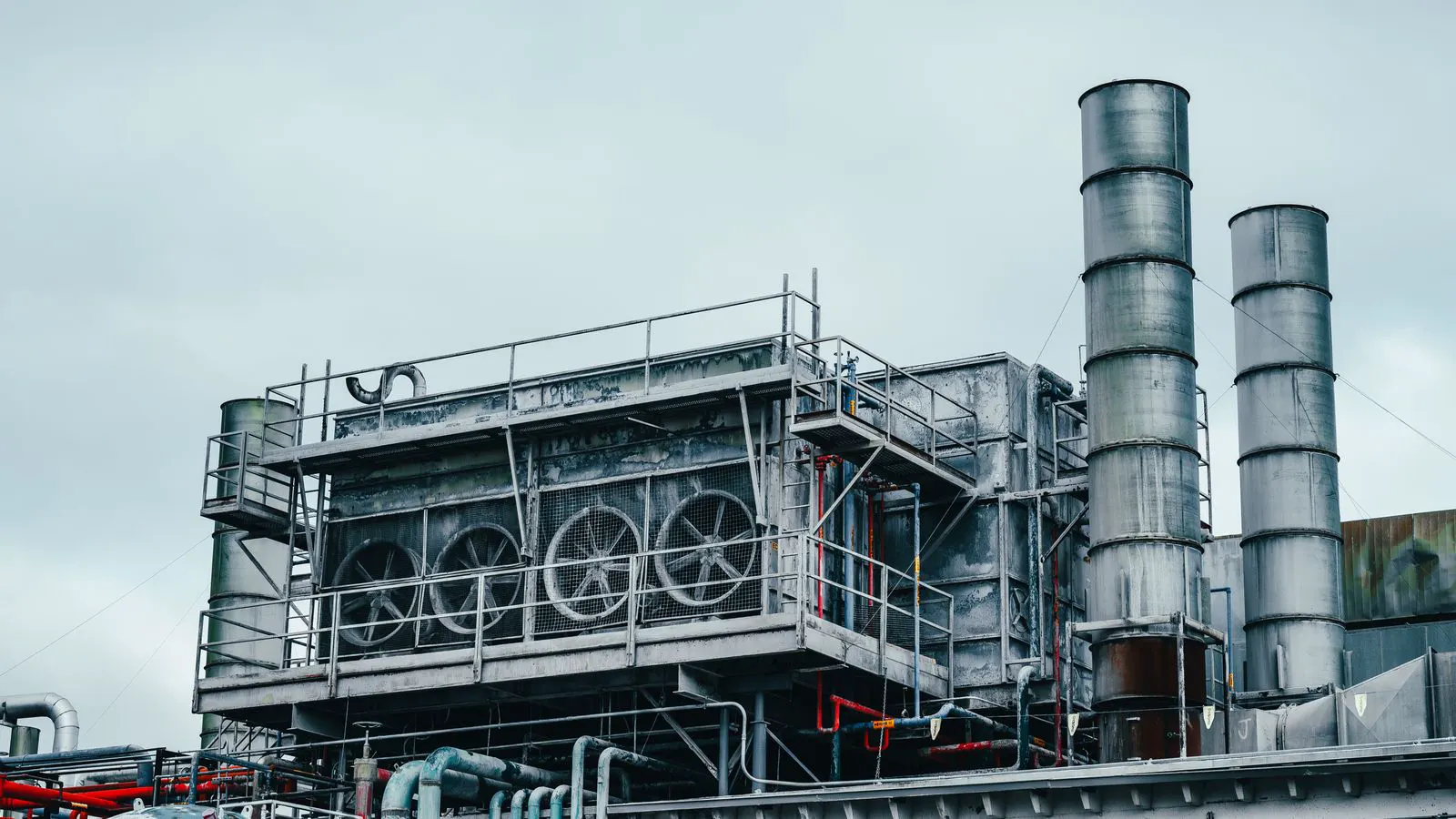
To calculate heat exchanger area, determine heat duty, choose a configuration, apply the LMTD method, select a fouling factor, and size the surface with an appropriate
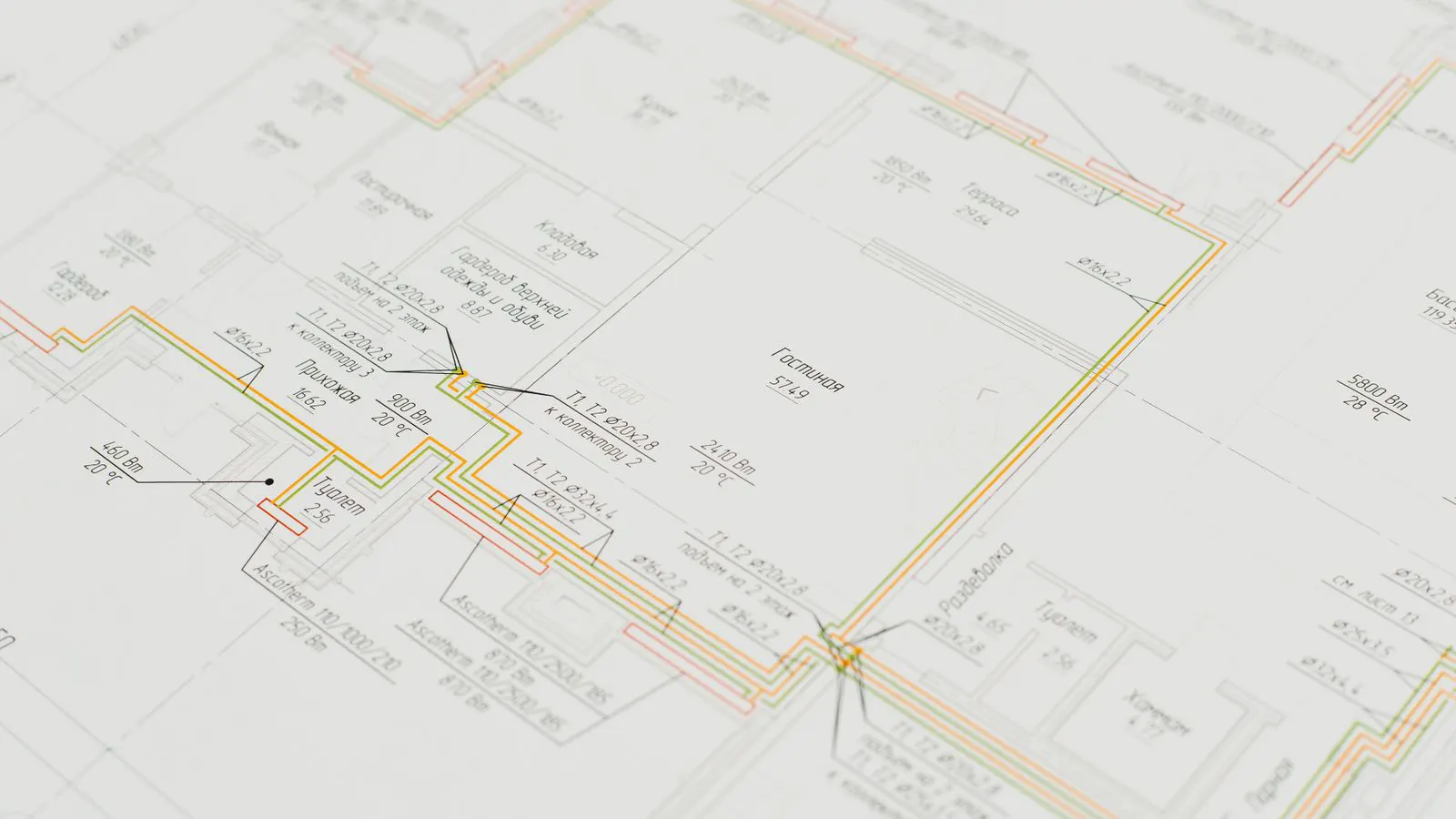
This checklist organizes the core criteria for specifying a new heat exchanger. It covers process data, fouling, materials, layout, and mechanical checks. Use it to
Gas coils suit low-pressure, high-temperature gas heating with simple maintenance. Plate heat exchangers offer compactness and high efficiency for liquid liquid duty.
A double pipe heat exchanger suits high pressure, small footprint, or high-temperature duties. Selection focuses on pressure class, fouling factor, material pairing, and
Heat exchanger design performance is measured by thermal efficiency, capacity, pressure drop, and area utilization. These heat exchanger sizing metrics determine cost
Emerging anti-fouling coatings change how engineers select heat exchangers. They reduce cleaning cycles and extend service life. This guide outlines five shifts buyers
Plate and shell and tube heat exchangers differ in upfront cost, footprint, pressure tolerance, and service life. The right choice depends on fluid type, fouling risk
Plate heat exchanger fouling reduces thermal efficiency and increases energy costs. This guide identifies common symptoms, explains likely causes, and provides practical