Outlook: Advanced Coatings for Heat Exchanger Anti-Fouling
Emerging anti-fouling coatings change how engineers select heat exchangers. They reduce cleaning cycles and extend service life. This guide outlines five shifts buyers must plan for. It covers material compatibility, application methods, and inspection protocols for these new surface technologies.
- Anti-fouling coatings shift the focus from chemical cleaning to surface integrity management.
- Buyers must verify coating compatibility with specific process fluids and cleaning agents.
- Application quality and edge protection are often more critical than the coating chemistry itself.
- Maintenance intervals can be adjusted based on coating performance data rather than fixed schedules.
- Documenting coating condition supports asset lifecycle planning and vendor accountability.
Why Surface Technology is Changing the Maintenance Model
Fouling remains a primary driver of efficiency loss and unplanned downtime in heat exchangers. Traditional approaches rely on periodic chemical cleaning, physical mechanical action, or increased cleaning frequency. Advanced heat exchanger anti-fouling coatings introduce a different variable: the surface itself.
These coatings are engineered to resist the adhesion of scaling, biofilm, or corrosion products. They do not eliminate the formation of deposits on the bulk fluid. Instead, they change the interaction between the deposit and the metal or ceramic substrate.
For buyers, this shifts the selection process. It is no longer just about the heat transfer coefficient or the pressure rating. The surface finish and the coating system now define the operating envelope and the maintenance burden.
What Types of Coatings Are Buyers Seeing
The market for heat exchanger surface treatment is moving beyond simple nickel plating or basic epoxy primers. Several distinct technologies are gaining traction in industrial applications.
- Ceramic and glass-like coatings. These provide a hard, smooth, non-porous surface. They are highly resistant to acid and alkali attack.
- Siloxane-based organic coatings. These offer low surface energy. Water and many oils bead off, reducing the mechanical grip needed for scale adhesion.
- Graphite and carbon-based composites. These provide thermal stability and chemical inertness. They are often used in high-temperature service.
- Electroless nickel-boron systems. These create a dense, corrosion-resistant layer that also resists some forms of fouling.
- Self-cleaning polymer films. These are thinner and often applied via dip or spray. They rely on hydrophobicity to shed particulates.
The choice depends heavily on the process. A cooling tower circuit may benefit from a biofilm-resistant polymer. A desalination preheater may require a ceramic system to handle high salinity.
How to Evaluate Coating Compatibility
Before specifying a coating, the engineering team must review the full process chemistry. A coating that resists scale will not help if the fluid is highly corrosive to the base material.
Key compatibility checks include:
| Parameter | Why It Matters | Typical Verification Method |
|---|---|---|
| pH Range | Determines acid or alkali resistance of the coating. | Review process water analysis or chemical feed data. |
| Temperature Cycle | Thermal expansion can crack rigid coatings if the base metal and coating expand at different rates. | Review maximum operating temperature and transient peak data. |
| Chemical Concentrants | Chlorides, sulfides, or ammonia can degrade specific polymer or ceramic matrices. | Match the coating datasheet against the process composition. |
| Cleaning Agents | Some coatings are not compatible with caustic washes or acid pickles used during maintenance. | Verify manufacturer recommendations for allowable cleaning chemicals. |
| Base Material | Carbon steel, stainless steel, and aluminum behave differently under coating stress. | Confirm the substrate preparation and bonding method. |
If the process involves variable chemistry, such as a mixed cooling water loop where biocide dosing varies, the coating must be rated for the worst-case scenario, not just the average case.
Application Quality and Edge Protection
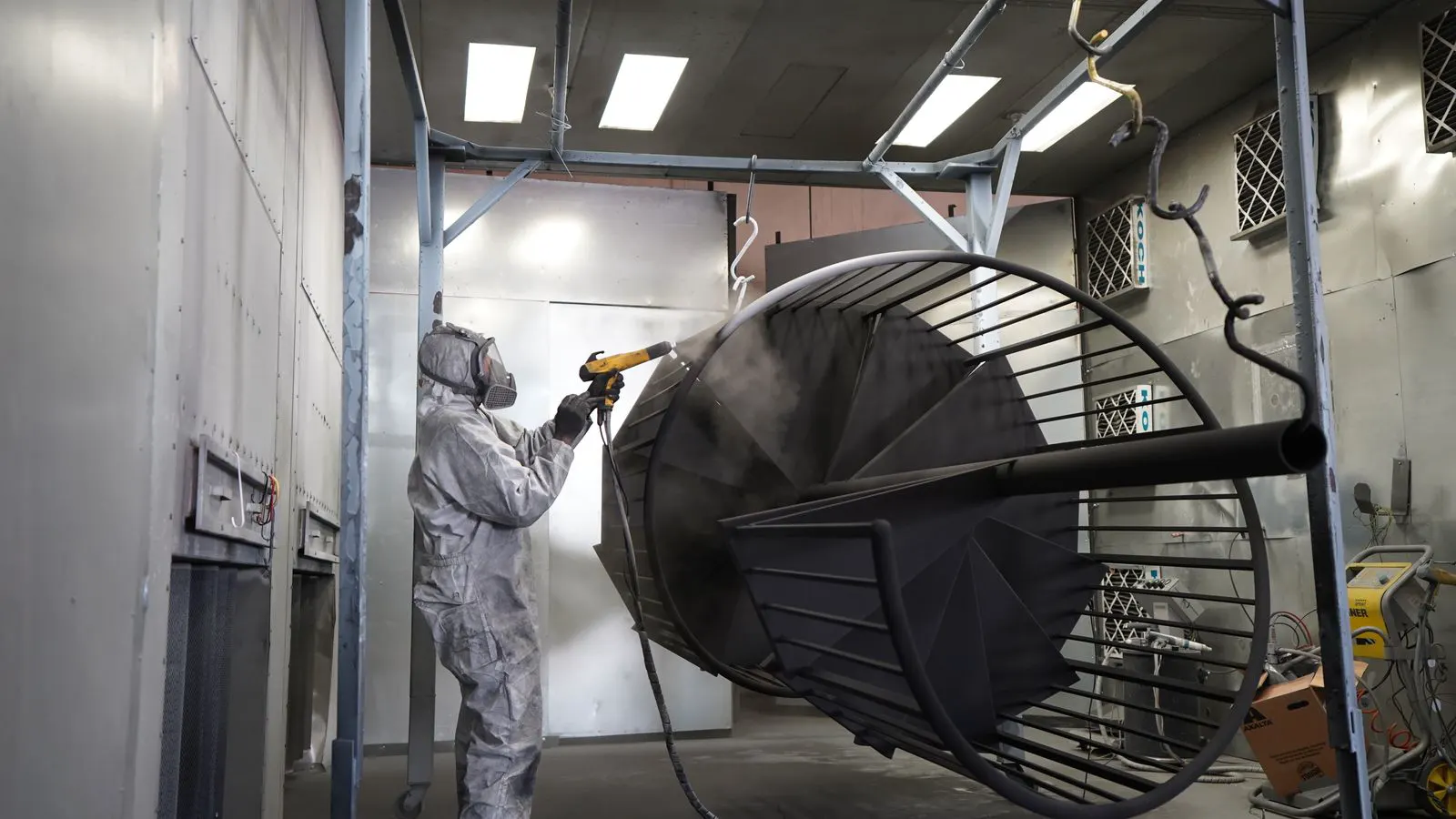
The performance of heat exchanger anti-fouling coatings is rarely limited by the chemistry alone. It is often limited by application.
A coating on a finned tube heat exchanger is subject to stress at the fin tips and tube ends. These edges are where mechanical damage occurs during transport and installation. If the coating is not properly rolled over the fin edges or sealed at the tube sheet, the base metal is exposed to the process fluid.
Buyers should require the following during the specification phase:
- A detailed application map. This should show which surfaces are coated, which are bare, and how the transition zones are treated.
- Edge roll-over requirements. For finned tubes, the coating should extend past the fin tip to prevent chipping.
- Surface preparation standards. The base metal must be clean, dry, and free of oil or rust before any coating is applied.
- Curing protocols. Some coatings require specific temperature and time profiles to harden fully.
- Inspection points. The supplier should define where the buyer or third-party inspector can verify coating thickness and adhesion.
A poorly applied premium coating will perform worse than a well-applied standard coating. The process of application is as critical as the material itself.
Impact on Maintenance Scheduling and Efficiency
The introduction of these coatings allows for a re-evaluation of maintenance intervals. In traditional systems, cleaning is scheduled based on a decline in heat transfer performance. In coated systems, the decline may be slower, but the cleaning method may need to change.
If the coating is hydrophobic, a simple water rinse or low-pressure air blast may be sufficient to remove loose particulates. This reduces the need for aggressive chemical cleaning. This also protects the base metal from the corrosive agents used in heavy cleaning.
However, if the coating fails or is damaged, the base metal becomes more susceptible to fouling than an unprotected surface. This is because the exposed area creates a localized galvanic cell or a rougher surface for deposit adhesion.
Buyers should plan for a phased approach:
- Install the exchanger with the coating.
- Monitor performance for the first two operating seasons.
- Inspect the coating condition during the first scheduled outage.
- Adjust the cleaning protocol based on observed deposit patterns.
This approach turns maintenance from a fixed cost into a data-driven variable. It also provides clear evidence for the return on investment of the advanced material package.
Risks and Limitations to Consider
Advanced heat exchanger anti-fouling coatings are not a replacement for good water management. They are a tool to extend the life of the metal and reduce the frequency of intervention.
There are specific risks to manage:
- Mechanical abrasion: If the process fluid carries abrasive solids, the coating will wear. The coating is not a sacrificial layer for erosion.
- Thermal shock: Rapid temperature changes can cause the coating to spall if the bond strength is compromised.
- Chemical incompatibility: New process chemicals introduced later in the asset life may attack the coating.
- Cost: The initial cost of coated exchangers is higher. The savings must be calculated against the total lifecycle cost, including reduced downtime and extended service life.
The most common mistake is assuming that a coating eliminates all fouling. It reduces it. The system still requires monitoring.
How to Prepare Your Procurement Process
To successfully specify these technologies, your procurement team needs to update the technical data sheets and the evaluation criteria.
- Add a coating section to the request for quotation. Specify the material, the substrate preparation, and the required edge protection.
- Require performance data. Ask for information on the coating’s resistance to specific fouling types, such as calcium carbonate or biological slime.
- Define acceptance criteria. Include adhesion tests, thickness measurements, and visual inspection standards in the contract.
- Plan for long-term support. Ask the supplier how they will handle coating failures. Will they repair the coating, or replace the tubes?
- Train the maintenance staff. The cleaning crew needs to know what chemicals are allowed and how to inspect the coating for early signs of damage.
By treating the coating as a distinct asset component, you create clear accountability. The coating is not just a paint job. It is a performance feature that requires specific care to deliver the expected benefits.
The shift toward these surface technologies is steady. It is driven by the need to reduce downtime and extend the life of critical heat transfer assets. The engineering and procurement teams that prepare their processes now will be in a better position to capture these benefits.
Frequently asked questions
Do anti-fouling coatings work in all temperature ranges?
No. Each coating system has a defined operating temperature range. Ceramic coatings handle high heat, while polymer coatings may degrade at lower temperatures.
Can coatings be applied to existing heat exchangers?
In many cases, yes, but it requires significant labor. The surface must be stripped and prepared. For new installations, factory application is generally more reliable and cost-effective.
How do I know if a coating is compatible with my water chemistry?
Review the coating datasheet against your process water analysis. Look for specific chemical resistances. If you are unsure, request a sample test from the coating supplier.
What happens if the coating scratches?
The underlying metal is exposed. This can lead to localized corrosion or accelerated fouling in that spot. Minor scratches are usually manageable, but deep scratches that expose the base metal should be repaired or monitored closely.
Are these coatings a replacement for regular water treatment?
No. They are a supplement. Good water treatment reduces the formation of scale and biofilm, which reduces the load on the coating. The two work together to extend service life.