Stainless Steel vs Titanium Plate Heat Exchangers
Stainless steel offers cost-effective performance for standard service, while titanium provides superior corrosion resistance for aggressive chemicals. The right choice depends on fluid chemistry, temperature, and total cost of ownership.
- Stainless 316L is the standard choice for most water, steam, and light chemical applications due to its balance of strength and cost.
- Titanium is selected when the process involves chlorides, seawater, or strong acids where stainless steel would fail rapidly.
- Material selection must account for the specific chemical attack vectors in the fluid, not just the temperature.
- A titanium heat exchanger has a higher initial cost but can extend service life and reduce downtime in severe environments.
How to Identify the Material Requirement
The decision between stainless steel and titanium hinges on the chemical environment of the fluids. Engineers often default to stainless steel because it is the baseline for industrial heat exchange. This is correct for clean water, steam, and standard hydrocarbons. It is incorrect for seawater, chlorine-based sanitizers, or concentrated mineral acids.
The primary driver for material selection is corrosion resistance. When the fluid contains chlorides above certain concentrations, or when the temperature pushes the corrosion potential, the material must be able to resist pitting and crevice attack. The plate heat exchanger design magnifies this risk because the narrow channels create stagnation points where aggressive ions concentrate.
Start by mapping the full process loop. Do not just look at the inlet temperature and pressure. Check the fluid history. Has the water been treated with chlorine for disinfection? Is the process acid being diluted with demineralized water, which can cause pH swings? These details matter. A fluid that looks inert at room temperature can become aggressive when heated. For example, hot water with low dissolved oxygen and trace chlorides can attack stainless steel much faster than cold water.
Also consider the flow regime. Laminar flow or low velocity can cause local stagnation. In a plate heat exchanger, the gaps between plates are tight. If the fluid velocity is low, corrosive particles can settle in the crevices. This creates a local cell where corrosion accelerates. High velocity helps flush the channel, but it increases the risk of erosion-corrosion if the fluid contains solid particles.
Performance and Chemical Resistance
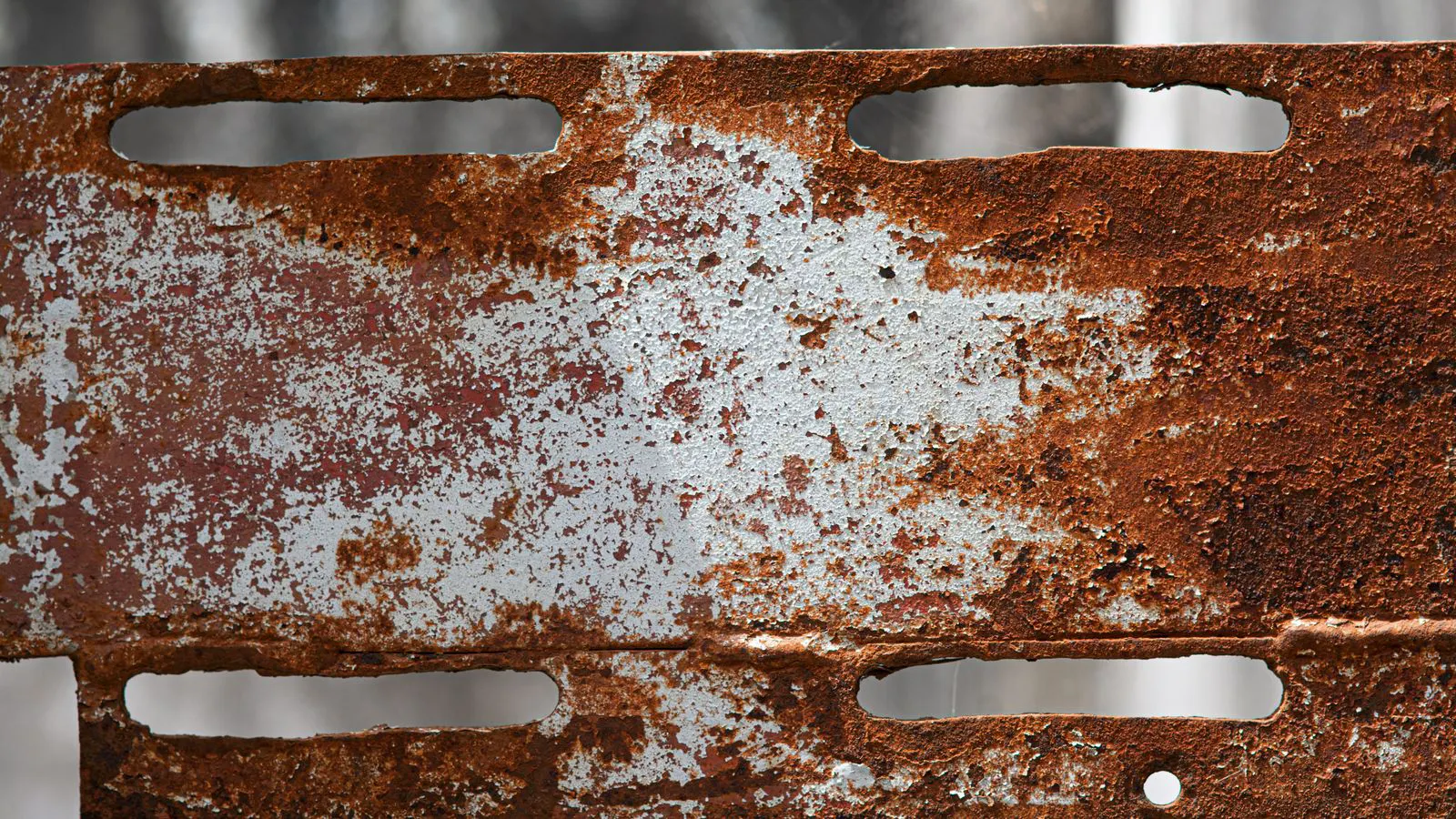
Stainless steel, particularly the 316L grade, offers a strong baseline for corrosion resistance. It handles water, steam, and mild acids well. However, it has limits. In the presence of chlorides, the passive layer on the steel surface can break down. This leads to pitting. If the plate is clamped tightly, the space between the plates and the frame becomes a crevice. Chloride ions accumulate there. The result is localized corrosion that can perforate the plate in a matter of months.
Titanium, by contrast, forms a passive oxide layer that is highly stable. It does not suffer from pitting in the same way. It resists attack from chlorides, seawater, and a broad spectrum of acids. For processes involving desalination, chemical recovery, or pharmaceutical washing, titanium provides a material margin that stainless steel cannot match. The trade-off is that titanium is softer and more expensive.
The chemistry of the passive layer is key. Stainless steel relies on a chromium oxide film. This film is effective in neutral or slightly alkaline conditions. But chlorides are small, aggressive ions. They can penetrate the film and create microscopic pits. Once a pit forms, the oxygen concentration inside the pit drops. This creates a galvanic cell that attacks the pit walls. The pit grows deeper. The surface area of the exposed steel increases. The corrosion rate accelerates.
Titanium oxide, or TiO2, is much more stable. It does not dissolve in the presence of chlorides. It remains intact even at high temperatures. This makes titanium suitable for environments where stainless steel would fail. However, titanium has its own limitations. It is susceptible to stress corrosion cracking in hot alkaline solutions. It is not immune to all acids. For instance, hydrofluoric acid attacks titanium aggressively. Always check the specific acid type, not just the concentration.
Cost and Lifecycle Analysis
The initial purchase price of a titanium heat exchanger is significantly higher than that of a stainless steel unit. This is the most common reason buyers choose steel. However, the cost comparison must extend beyond the invoice.
Consider the service life. In a clean process, a stainless steel plate heat exchanger might last ten to fifteen years. In a chloride-rich environment, that same unit might require replacement every one to two years. The cost of frequent replacement, including downtime, installation labor, and disposal, quickly erodes the savings.
Titanium units in the same environment can last for decades. The higher first-year cost is offset by the reduction in maintenance frequency. For a large-scale industrial plant, the total cost of ownership often favors titanium when the fluid chemistry is aggressive. For a small batch process with mild fluids, the stainless steel unit is the more economical choice.
To calculate the true cost, include downtime. A failed heat exchanger in a production line can stop the entire process. The cost of lost production can exceed the cost of the unit itself. For example, a food processing plant that loses a shift of production due to a leak may lose more in revenue than the price of a new titanium unit.
Also consider maintenance. Stainless steel units may require regular inspection for pitting. You might need to remove plates to check for corrosion. This involves labor, disassembly, and reassembly. Titanium units require less frequent inspection because the material itself resists the attack. You still need to check for mechanical damage, but the corrosion risk is lower.
Mechanical Strength and Handling
Stainless steel plates are harder and stronger than titanium. They are easier to handle during installation and are less prone to denting during transit. Titanium is lighter but softer. If a titanium plate is struck by a heavy tool or dropped, it can deform. This deformation can affect the seal integrity.
Because titanium is lighter, the overall weight of the heat exchanger is lower. This is an advantage for skid-mounted units or installations with limited structural support. The clamping force required for a titanium unit may also be different. Titanium requires proper gasket selection to handle its specific thermal expansion and surface finish.
During installation, workers must handle titanium plates with care. Use soft padded tools. Avoid dropping plates onto the frame. A dent in a titanium plate can create a high point that prevents a flat seal. The gasket will compress unevenly. A leak can form. This is a common failure mode in titanium heat exchangers. It is not a material failure, but a handling failure.
Stainless steel plates are more forgiving. They can withstand minor impacts without losing their shape. However, they are heavier. Lifting them requires more effort or mechanical assistance. Ensure the crane or hoist is rated for the weight. Also check the floor load capacity. A large stainless steel unit can weigh several tons.
When to Select Stainless Steel
Select stainless steel when the process fluids are relatively benign. Typical applications include:
- Heating or cooling potable water.
- Steam distribution in food and beverage processing.
- Heat exchange between hydrocarbons and water.
- Cooling for general industrial equipment where no aggressive chemicals are present.
In these scenarios, the corrosion risk is low. The mechanical strength of stainless steel is sufficient. The lower cost makes it the practical choice. Ensure that the specific alloy grade, such as 316L, is matched to the fluid. Avoid using lower grades like 304 if there is any possibility of chloride exposure.
For potable water, 316L is the standard. It meets health and safety regulations for drinking water contact. It resists the mild chlorination used in water treatment. For steam, 316L handles the high temperatures and pressures without issue. It is resistant to oxidation in the presence of oxygen.
In hydrocarbon applications, stainless steel works well when the fluids are clean. Crude oil and refined products do not attack stainless steel significantly. However, if the hydrocarbon contains sulfur compounds or chlorides, the corrosion risk increases. Check the sulfur content of the oil. High sulfur can lead to sulfide stress cracking. In such cases, consider other materials or use a different alloy.
When to Select Titanium
Select titanium when the process involves aggressive chemistry. This includes:
- Desalination and seawater cooling.
- Chemical processing involving hydrochloric acid or sulfuric acid.
- Pharmaceutical and bioprocess washing with chlorine or peroxide.
- Any application where pitting corrosion is a known risk.
Titanium is also favored when the design life is expected to be very long. If the equipment will operate for twenty years or more, the initial cost premium is easier to justify. It is also the material of choice when the fluid contains both acid and chloride simultaneously, a combination that is devastating to steel.
In desalination, titanium is the standard for the heat exchangers. Seawater contains high levels of chlorides. It is also warm, which increases the corrosion rate. Stainless steel would pit quickly. Titanium handles the saltwater without issue. It is also resistant to the biofilms that form in seawater. Biofilms can trap corrosive ions and accelerate attack on steel.
In chemical processing, titanium resists hydrochloric acid. This is a common acid in chemical plants. It is also resistant to sulfuric acid up to certain concentrations and temperatures. For sulfuric acid, check the concentration. Dilute sulfuric acid is less aggressive than concentrated acid. But even dilute acid can attack stainless steel over time. Titanium provides a safe margin.
Comparison Table
| Option | Best for | Limitations |
|---|---|---|
| Stainless Steel (316L) | Clean water, steam, mild chemicals, general industrial use | Susceptible to pitting in chlorides, higher cost than carbon steel, not ideal for strong acids |
| Titanium | Seawater, chlorides, strong acids, long-life applications | Higher initial cost, softer material, requires careful handling to avoid denting |
Final Material Selection Checklist
Before finalizing the material for your plate heat exchanger, run through these checks. Confirm the exact chemical composition of the hot and cold streams. Identify the maximum temperature and any transient spikes. Check for the presence of chlorides or other aggressive ions. Determine the required service life. If the fluid is aggressive, titanium is the safer bet. If the fluid is clean and the budget is tight, stainless steel is the standard.
The choice is not just about the plate material. It also affects the gasket material and the frame. Titanium frames are available, but steel frames can sometimes be used with titanium plates, depending on the design and the environment. A mismatch between the plate material and the frame can create galvanic corrosion if the fluids are conductive.
Galvanic corrosion occurs when two dissimilar metals are in electrical contact in the presence of an electrolyte. The fluid in the heat exchanger acts as the electrolyte. If the frame is steel and the plates are titanium, and the fluid is seawater, a galvanic cell forms. The steel frame corrodes faster. The titanium plates are protected. This is acceptable if the frame is sacrificial. However, if the frame corrodes, the structural integrity of the unit is compromised.
In such cases, use a titanium frame or an insulating gasket. An insulating gasket breaks the electrical connection between the frame and the plates. This prevents galvanic flow. For clean water, galvanic corrosion is less of a concern. But for seawater or acidic fluids, it is a major issue.
Common Mistakes in Material Selection
Buyers often make errors that lead to premature failure.
- Ignoring chloride concentration. A fluid that looks like clean water might contain trace chlorides that are enough to pit stainless steel over time.
- Assuming all stainless steels are the same. 304 is not the same as 316L. 316L has higher molybdenum content, which improves chloride resistance.
- Focusing only on purchase price. The cost of replacing a corroded unit every year is higher than buying a titanium unit once.
- Neglecting gasket compatibility. The gasket must withstand the same chemical attack as the plates. A cheap gasket can fail before the plates do.
The material decision is a long-term commitment. Get the chemistry right from the start.
Frequently asked questions
Can I use a titanium plate heat exchanger with steel pipes?
Yes, but you must be aware of galvanic corrosion. If the fluids are conductive, an electrical potential difference exists between the two metals. Insulating gaskets or proper design can mitigate this risk.
Is titanium always better than stainless steel?
No. Titanium is more expensive and softer. For clean water or steam, stainless steel is a more cost-effective and robust choice. Titanium is only superior when the fluid chemistry is aggressive.
What is the main advantage of titanium in a plate heat exchanger?
Its superior resistance to pitting and crevice corrosion. It can handle chlorides and acids that would destroy stainless steel plates within a short period.
How does the cost of titanium compare to stainless steel?
Titanium is significantly more expensive up front. However, in corrosive environments, the lower maintenance and replacement costs can make it cheaper over the life of the system.
Can I upgrade an existing stainless steel PHE to titanium?
Generally, no. The plate design, gasket material, and clamping mechanism are specific to the material. It is usually more practical to replace the entire heat exchanger with a titanium model.