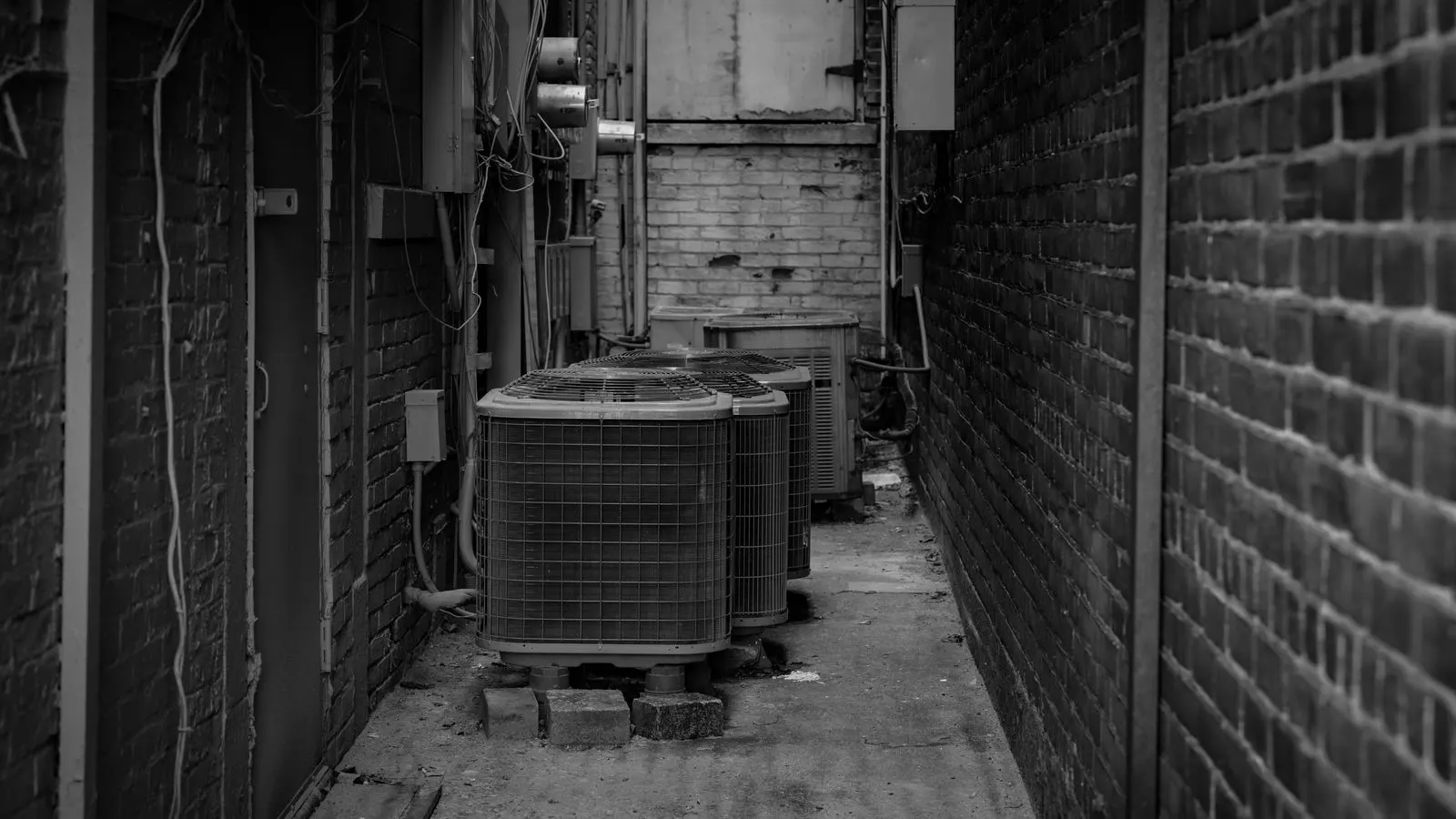
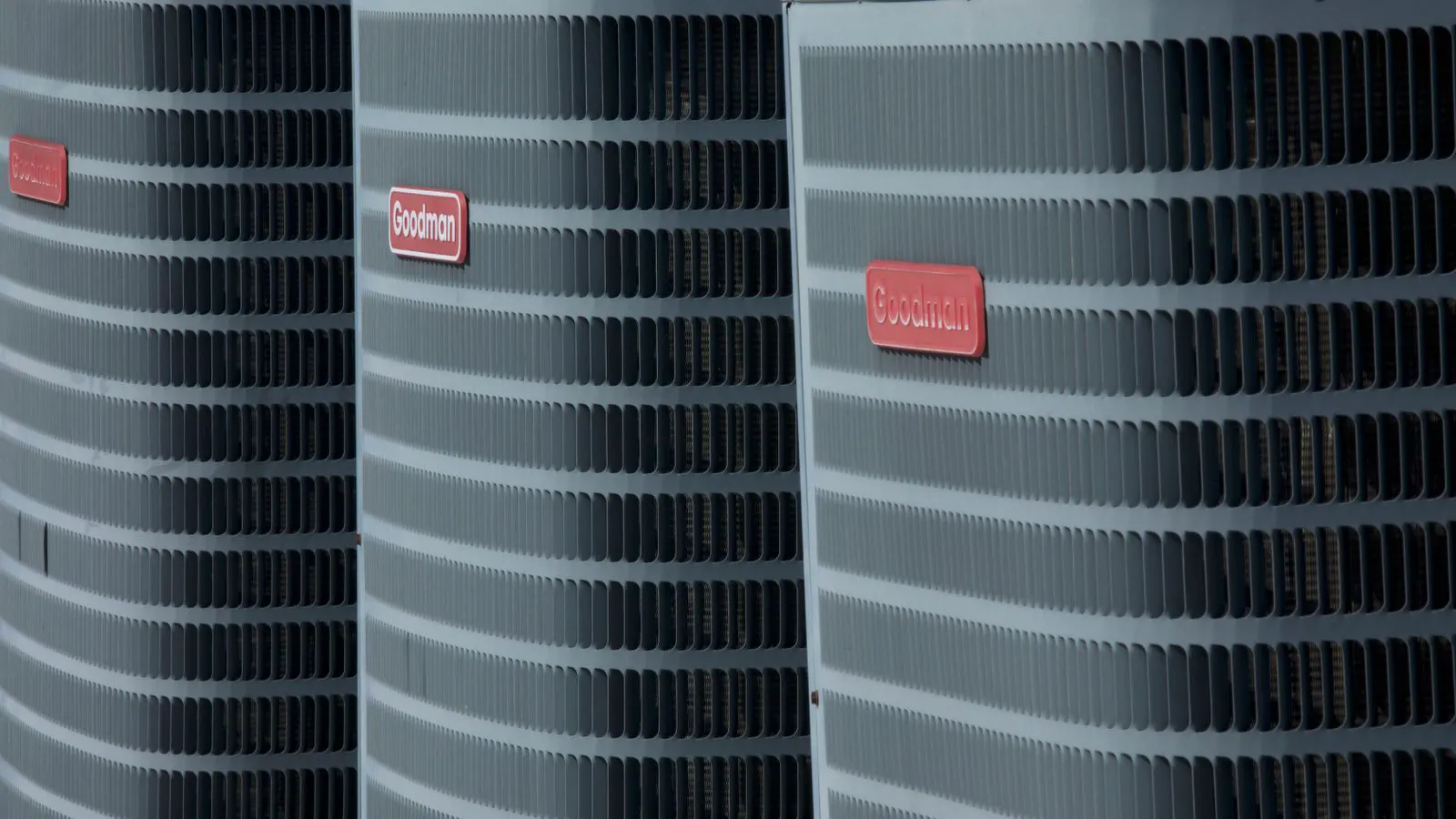
Air Cooled vs Water Cooled Heat Exchangers: A Comparison
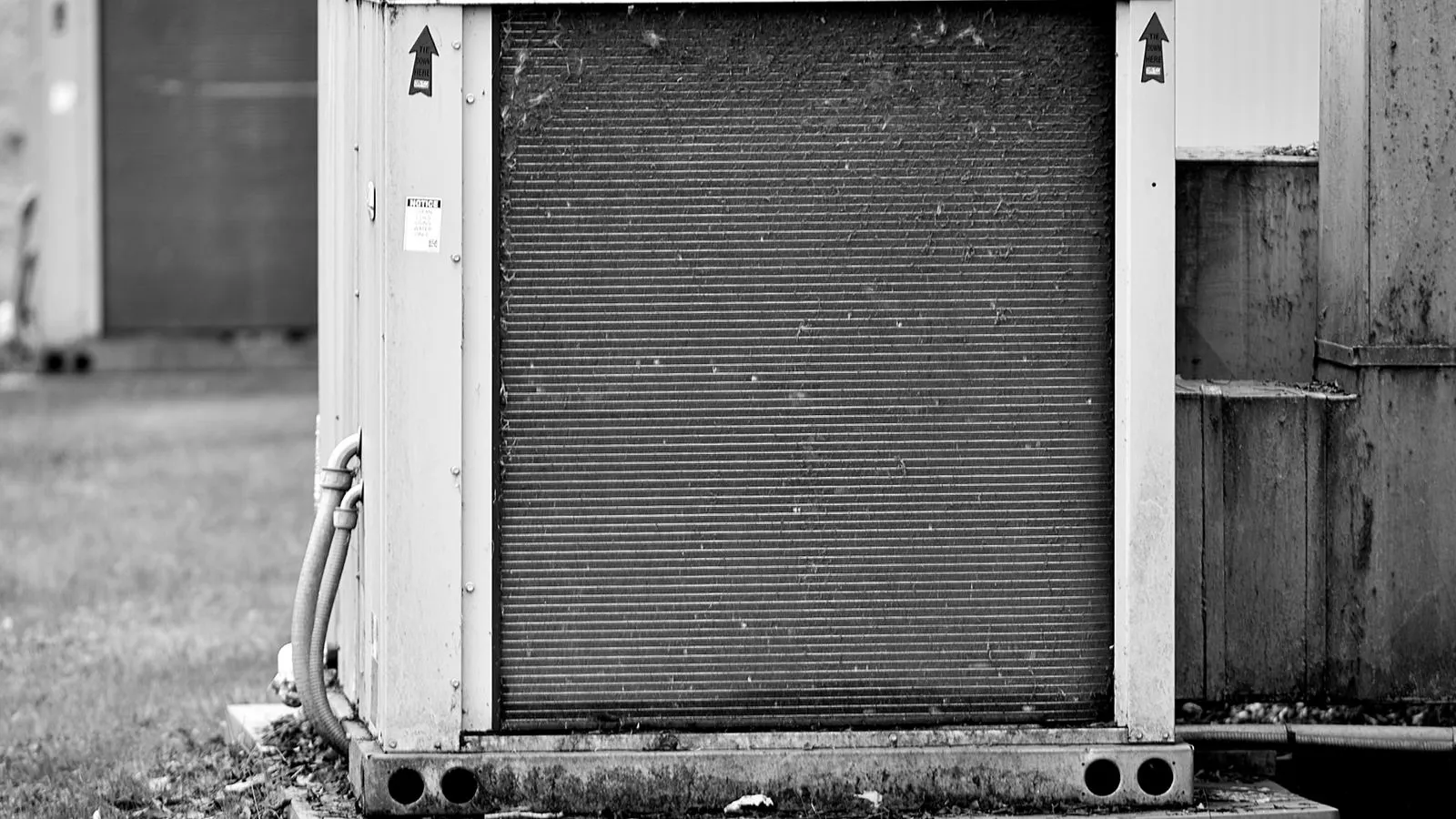
An air-cooled heat exchanger uses forced air to reject heat without a water loop, while a water cooled cooler uses liquid to transfer heat. Air systems save water but need more surface area. Water systems handle higher heat loads but need pumps, tanks, and treatment.
- Air-cooled heat exchangers eliminate water use but require larger surface area and fan power.
- Water cooled coolers handle higher heat loads compactly but add pump, tank, and treatment costs.
- Site water availability, ambient temperature, and maintenance capacity decide which system fits.
- A cooling comparison should include capital cost, operating cost, and space before selection.
Why the Cooling Choice Affects the Whole System
Choosing between an air-cooled heat exchanger and a water cooled cooler is rarely just a hardware decision. The cooling method changes the plant layout, the maintenance schedule, and the operating budget. An air-cooled heat exchanger rejects heat directly to the surrounding air using fans and finned tubes. A water cooled cooler transfers heat to a liquid loop that then discharges the heat somewhere else.
The choice matters because heat rejection drives the design. If the ambient air is hot, the air-cooled unit must work harder. If water is scarce, a water loop may be impossible. The table below compares the two main approaches.
| Option | Best for | Limitations |
|---|---|---|
| Air-cooled heat exchanger | Dry sites, low water use, moderate heat loads | Larger footprint, higher fan power in hot weather, dust maintenance |
| Water cooled cooler | High heat loads, compact space, stable water supply | Pump power, water treatment, leaks, corrosion, disposal |
| Hybrid or evaporative hybrid | Sites with some water access and moderate humidity | More complex controls, water use, fouling risk |
How the Cooling Path Changes the Design
In an air-cooled heat exchanger, the process fluid flows through tubes or plates. Fans pull or push ambient air across a finned surface. The fins increase the area available for heat transfer. The air leaves the unit slightly warmer than it entered.
In a water cooled cooler, the process fluid transfers heat to a secondary water loop. The water circulates through a heat exchanger and then rejects the heat at a cooling tower, condenser, or river. The water loop keeps the primary fluid at a more stable temperature because liquid has a higher heat capacity than air.
This difference in heat capacity changes the sizing. Air has a lower heat capacity than water. To reject the same duty, the air-cooled unit needs more surface area or a larger fan flow. A water loop can reject the same duty in a smaller exchanger because the water absorbs more heat per volume.
Consider a compressor discharge cooler. The oil inside the compressor is hot and needs to drop before it returns to the sump. If the plant sits in a desert environment, the air-cooled unit must reject heat to air that may already be near 50 degrees Celsius. The temperature difference between the oil and the air is small. The fans must spin faster to force enough air across the fins. A water cooled unit at the same site would reject that heat to a loop maintained at 35 degrees Celsius. The temperature difference is larger, allowing a smaller tube bundle and slower flow rates.
Another example is a reactor jacket. The reaction releases heat steadily. If the process requires the jacket fluid to stay below a specific threshold to avoid side reactions, a water loop is often preferred. Water maintains that temperature with less variation. Air-cooled jackets are harder to control tightly because the ambient temperature fluctuates throughout the day.
The design of the heat transfer surface also changes. Air-cooled exchangers use fins attached to tubes. These fins increase surface area but create pressure drop. If the fins clog with dust, the airflow resistance rises. Water cooled exchangers use bare tubes or plates. The fluid inside the tubes faces pressure drop, but the cooling water outside can be kept cleaner and at a constant temperature.
Capital Cost and Equipment Size
The initial cost of an air-cooled heat exchanger often includes the finned tube bundle, fan motors, and structural support. The unit may be larger than a water-cooled unit for the same duty. Fans are mechanical and electrical components. They need bearings, belts or direct drive, and controls.
A water cooled cooler adds the heat exchanger plus a pump, piping, and a heat rejection device. The pump is a major cost. The cooling tower or condenser adds another cost. If the site has no existing water loop, the total capital cost can rise sharply.
Air-cooled heat exchangers can be more expensive per unit of heat duty when the heat load is high. Water cooled coolers can be more expensive when the site needs a new water system. The cheaper option depends on what the site already has.
For a small oil cooler, the air-cooled package may cost less. It is a single unit. You mount it, run the oil through it, and you are done. There is no pump to buy, no piping to lay, and no cooling tower to engineer. The footprint is larger, but the installation is simpler.
For a large chemical plant, a water loop is often cheaper per kilowatt of heat rejected. The plant already has a central cooling system. The new process just taps into the existing headers. Adding a new air-cooled unit for a large duty might require a massive fan and a wide tube bank. The steel and fan motor alone can exceed the cost of tapping into the existing water system and adding a small shell and tube heat exchanger.
However, the water system has hidden capital costs. You need pumps, valves, strainers, and treatment equipment. You need space for the cooling tower or heat rejection device. You need a way to discharge the water if it is open loop. If the site is in a region with water restrictions, the cost of a water loop can spike. In that case, the air-cooled option becomes more attractive despite the larger physical size.
Operating Cost and Power Draw
Operating cost includes fan or pump power, water consumption, and maintenance. Fans consume electricity. Larger fans draw more power. In hot ambient conditions, the temperature difference between the process fluid and the air drops. The unit must move more air to reject the same heat. This increases fan power.
A water cooled cooler uses pump power. The pump power depends on the flow rate and the pressure drop. Water also costs money. Cooling towers consume water through evaporation. Even closed-loop systems need makeup water and treatment.
The cooling comparison should look at energy cost over the life of the plant. If electricity is cheap and water is scarce, an air-cooled heat exchanger may win. If water is free and electricity is expensive, a water loop may win.
Look at the power draw of the fans. A large air-cooled unit might use three 50 kW motors. In hot weather, those motors run at full load for long hours. The energy cost adds up. A water pump might use only 10 kW. The difference in power draw is significant.
Water consumption is another factor. Cooling towers lose water through evaporation. The makeup water must be treated to prevent scaling. If the water is treated, you need chemicals and dosing systems. These chemicals cost money and require handling. An air-cooled unit uses no water. It uses no chemicals. It only uses electricity and fan maintenance.
Maintenance costs differ too. Air-cooled units need fin cleaning. Fans need bearing greasing. Water systems need strainer cleaning, chemical dosing, and pump seal replacement. The labor costs for these tasks vary by location. In some areas, skilled maintenance labor is expensive. In others, it is cheap. The operating cost model must reflect local labor rates.
Performance and Ambient Effects
Air-cooled performance depends on the dry-bulb temperature. When the ambient air is hotter, the driving temperature difference shrinks. The unit can still reject heat, but the required fan speed rises. In very hot climates, an air-cooled heat exchanger may need a larger tube bundle or a higher fan capacity.
A water cooled cooler depends on the coolant temperature. A cooling tower performs best when the ambient wet-bulb temperature is low. In humid climates, the tower can run at a higher leaving temperature. The water loop then must handle a higher temperature, which can affect the process.
The key performance metric is the approach temperature. The closer the leaving process fluid temperature can get to the coolant temperature, the better the heat transfer. Water allows a smaller approach because of its high heat capacity. Air requires a larger approach or more surface area.
Consider a gas compressor in a hot climate. The ambient dry-bulb temperature is 45 degrees Celsius. The compressor discharge oil is 80 degrees Celsius. The maximum possible outlet temperature for the oil is limited by the ambient temperature. You cannot cool the oil below 45 degrees Celsius using air-cooled methods. If the process requires the oil to be below 45 degrees Celsius, an air-cooled unit will fail. A water cooled unit can cool the oil to 40 degrees Celsius if the cooling water is at 30 degrees Celsius.
In a humid climate, a cooling tower may not reject heat efficiently. The wet-bulb temperature is close to the dry-bulb temperature. The tower leaving water temperature rises. If the process requires a tight temperature control, the water loop may not be able to meet the specification. In such cases, a hybrid system or a chilled water loop might be needed.
The ambient effects also impact the fan power. In hot weather, the air density is lower. The fans must move more volume to achieve the same mass flow. This increases power consumption. The control system must manage the fan speed to maintain the outlet temperature. If the control system is poorly designed, the unit may overheat or overcool.
Maintenance and Reliability
Air-cooled heat exchangers face dust, debris, and corrosion on the fins. Fins can clog with dust. This reduces heat transfer. Cleaning the fins is a routine task. Fans need bearing inspection and motor checks.
A water cooled cooler faces water problems. Scaling, corrosion, and biological growth foul the tubes. The water needs treatment. Pumps wear seals and bearings. Leaks can contaminate the process. The cooling tower may need cleaning and chemical dosing.
Reliability depends on the environment. A dusty site favors a water loop if water is available. A wet site may foul a water system quickly. A dry, dusty site may require frequent fin cleaning.
Dust is a major issue for air-cooled units. If the site is near a construction zone or a sandy area, the fins can clog within weeks. A clogged fin pack reduces the effective surface area. The unit runs hotter. The fans work harder. The energy cost rises. Cleaning the fins requires shutting down the unit or using special tools. This downtime can be costly.
Water systems face fouling. If the water is hard, calcium carbonate scales on the tubes. If the water is soft, biological growth can form slimy coatings. Both reduce heat transfer. The water treatment system must be maintained. If the treatment system fails, the heat exchanger fouls quickly. The flow rates drop. The temperature control fails.
Reliability also depends on the availability of spare parts. Fans are complex mechanical devices. If a bearing fails, you need the spare. Water pumps have seals that wear out. If the seal fails, the pump leaks. In a remote site, getting a spare part can take weeks. This downtime can halt production.
When to Pick Each System
Pick an air-cooled heat exchanger when water is limited, the heat load is moderate, and the site has space. It works well for compressor cooling, oil cooling, and gas cooling where the duty is manageable. The unit is self-contained. It needs no water supply or discharge.
Pick a water cooled cooler when the heat load is high, the space is tight, and water is available. It works well for large process streams, reactor cooling, and high-pressure applications. The water loop can keep the process fluid at a lower temperature with less exchanger area.
Pick a hybrid or evaporative system when the site has some water access but not enough for a full closed loop. Evaporative cooling uses a small amount of water to improve heat transfer. It sits between air-only and water-only systems.
Air-cooled units are good for mobile applications. If the equipment moves from site to site, a water loop is impractical. A mobile compressor or a temporary processing unit can use an air-cooled heat exchanger. It is portable. It does not require a water source. It is easy to install and remove.
Water cooled units are good for fixed, large-scale plants. If the plant has a central cooling system, tapping into it is the most efficient way to reject heat. The water loop allows for precise temperature control. It handles high heat loads with compact equipment.
Hybrid systems are good for sites with moderate water availability. If the site has a small water source but not enough for a large cooling tower, an evaporative hybrid can be used. It uses a small amount of water to enhance heat transfer. It reduces the need for a large cooling tower. It is a compromise between air-only and water-only systems.
Sizing and Selection Checks
Before selection, check the heat duty. Calculate the maximum duty at the highest expected ambient temperature. Check the site water availability. Check the space for the unit. Check the noise limits. Check the maintenance access.
A cooling comparison should include the heat duty, the ambient conditions, the water availability, the space, the power cost, and the maintenance plan. The final choice is a balance of these factors.
Start with the heat duty. Determine the maximum heat load the exchanger must reject. This is usually at the highest process temperature and the highest ambient temperature. If you size for the average case, the unit will overheat in hot weather. You need a margin for peak conditions.
Check the ambient conditions. Look at the dry-bulb and wet-bulb temperatures. For air-cooled units, the dry-bulb temperature is the key factor. For water cooled units, the wet-bulb temperature is the key factor for cooling towers. If the wet-bulb temperature is high, the cooling tower may not be able to reject enough heat.
Check the water availability. Determine if there is a reliable water source. If the water is from a river or a well, check the flow rate and the quality. If the water is from a municipal supply, check the pressure and the treatment requirements. If water is scarce, an air-cooled unit is the only option.
Check the space. Air-cooled units are larger. They need room for airflow. The fans need clearance on both sides. The unit may need a large footprint. Water cooled units are smaller but need space for the pump, piping, and cooling tower. The cooling tower may need a large pad and a fan structure.
Check the noise limits. Fans are loud. In some sites, noise is a major constraint. You may need acoustic enclosures or low-speed fans. This adds cost. Water cooled units are quieter but the cooling tower fan is also loud.
Check the maintenance access. Can you reach the fins to clean them? Can you access the pump seals? Can you replace the heat exchanger tubes? If the site is remote, maintenance access is critical. A unit that is hard to maintain will have higher downtime costs.
The final choice is a balance. There is no single best option. The best option is the one that fits the site, the process, and the budget. A careful analysis of all these factors will lead to a reliable and cost-effective cooling system.
Frequently asked questions
Which system uses less water?
An air-cooled heat exchanger uses no process water. A water cooled cooler uses water for the cooling loop and may need makeup water.
Can an air-cooled heat exchanger handle a high heat load?
Yes, but it usually needs a larger tube bundle and higher fan power. A water loop handles high loads in a smaller footprint.
What is the main maintenance difference?
Air-cooled units need fin cleaning and fan checks. Water cooled coolers need water treatment, pump service, and leak checks.
When is a water cooled cooler cheaper?
It is cheaper when the site has an existing water loop and the heat load is high. New water infrastructure adds cost.
Does ambient humidity affect a water cooled cooler?
Yes. Humidity affects the cooling tower performance. Higher humidity raises the leaving water temperature and reduces the cooling margin.