Stainless Steel vs Titanium: Heat Exchanger Material Comparison

Stainless steel offers a lower cost entry point for moderate corrosion environments, while titanium provides superior resistance to aggressive chemicals and chlorides. The right choice depends on your specific fluid chemistry, temperature, and pressure.
- Stainless steel is the default for many industrial applications due to its balance of cost and performance.
- Titanium heat exchangers are required when chloride ions or strong oxidizing acids are present.
- Mechanical properties such as yield strength and ductility differ significantly between the two materials.
- Total cost of ownership must include maintenance, cleaning, and replacement intervals, not just the purchase price.
- Always verify material compatibility with your specific process conditions before finalizing a design.
Why Material Selection Matters in Heat Exchanger Design
The choice of construction material determines how long a heat exchanger survives in service. A poorly selected material leads to pitting, stress corrosion cracking, or uniform corrosion, which reduces heat transfer efficiency and eventually causes leakage. Engineers often face a binary decision between 304 or 316 stainless steel and Grade 2 titanium, though other options exist for extreme conditions.
This comparison focuses on the two most common materials for wet, corrosive environments. The primary keyword here is the need for a corrosion resistant heat exchanger, which drives the decision between these two alloys. While both materials offer excellent chemical resistance, they do so through different mechanisms and with different trade-offs in strength, weight, and cost.
Chemical Resistance and Environmental Limits
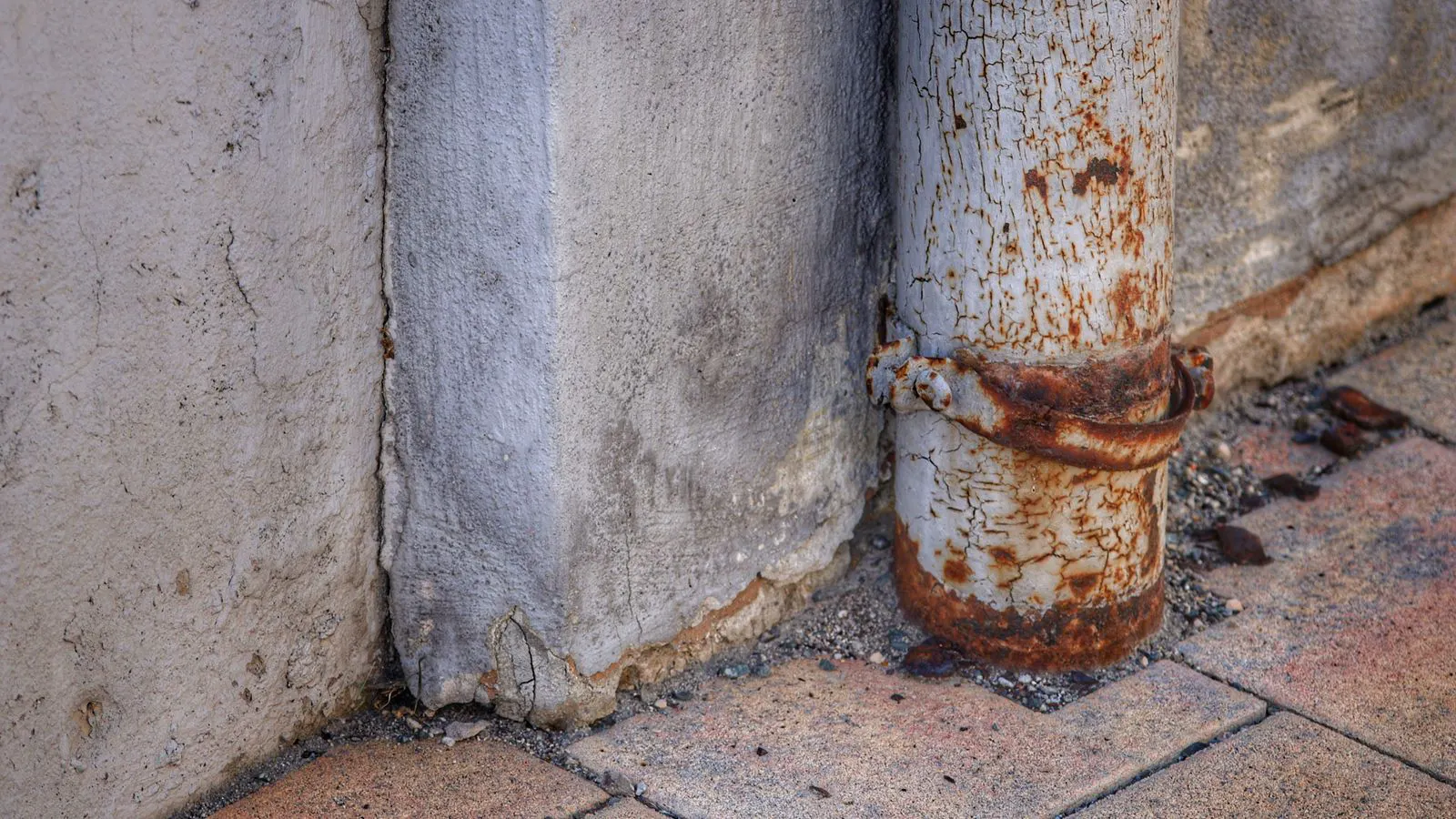
Stainless steel relies on a passive chromium oxide layer to protect the base metal. This layer is effective against many acids and bases but is vulnerable to attack by chlorides. When chloride concentrations exceed a certain threshold, pitting and crevice corrosion can initiate. 316 stainless steel, with its added molybdenum, handles chlorides better than 304, but it is not immune. High-temperature service can accelerate this degradation, especially in stagnant or poorly flushed areas.
Titanium, by contrast, forms a highly stable titanium dioxide layer that resists a broader spectrum of aggressive media. It withstands concentrated sulfuric acid, hydrochloric acid, and seawater with very little degradation. In many chemical processing scenarios, titanium is the only viable option because it does not suffer from the chloride-induced cracking seen in stainless steels. However, titanium does not perform well in reducing environments where the passive layer is stripped away, such as in some high-temperature sulfuric acid blends.
Mechanical Properties and Structural Design
The mechanical behavior of these materials influences the physical design of the heat exchanger. Stainless steel has a higher yield strength and tensile strength compared to titanium. This means that for a given pressure and temperature, a stainless steel shell and tube design can have thinner walls and smaller tube diameters, reducing the overall footprint and mass of the unit.
Titanium is lighter, which is an advantage in weight-sensitive applications such as mobile units or offshore platforms. However, its lower yield strength requires thicker walls or larger diameters to achieve the same pressure rating. This can increase the cost of the structure itself. Engineers must also account for the thermal expansion coefficients. Titanium expands at a different rate than carbon steel supports or gaskets, which can create stress points if not designed correctly. Fatigue resistance is also a factor; titanium generally handles cyclic thermal loads well, but joint design is critical to prevent stress concentration.
Economic Considerations and Total Cost of Ownership
The upfront cost of titanium is significantly higher than that of stainless steel. This is due to the extraction process for titanium ore, which is energy-intensive and yields a relatively small amount of usable metal compared to steel production. For a standard shell and tube exchanger, the material premium can be substantial.
However, the decision should not be based on purchase price alone. Total cost of ownership includes maintenance, cleaning, and replacement. In environments where stainless steel would pit after a few years, the cost of frequent cleaning, repair, or replacement can offset the initial savings. A titanium heat exchanger may last ten times longer in the same environment, making it more economical over the life of the process. Conversely, in a benign environment where stainless steel would last for decades, the premium for titanium is simply wasted. The economic analysis must match the material lifespan to the expected service life of the plant.
Practical Application Scenarios
Selecting the right material requires looking at the specific process. Consider the following scenarios to understand where each material shines.
- Desalination and Seawater Cooling: This is a classic application for titanium. Seawater contains high concentrations of chlorides and biological activity that rapidly degrade stainless steel. Titanium resists both the chemical attack and the biological fouling, making it the standard for seawater side tubes.
- Sulfuric Acid Processing: For concentrated sulfuric acid, titanium is the preferred choice. Stainless steel will corrode quickly unless the acid concentration is very low and the temperature is controlled. Titanium provides a reliable barrier in this aggressive medium.
- Pharmaceutical and Food Grade Processing: Stainless steel, specifically 316L, is the industry standard here. The environment is generally clean, and the cost of titanium is not justified. The mechanical properties of stainless steel are well-suited to the sanitary designs required in these sectors.
- Chlorine Water Treatment: This is a critical decision point. Chlorine water is highly corrosive to stainless steel due to the presence of hypochlorous acid and chlorides. Titanium is often required to prevent rapid pitting. If the system is designed to minimize contact time and maintain low chlorine levels, some stainless grades might work, but the risk is high.
- General Industrial Cooling: For standard cooling water without significant chlorides or biological issues, 304 or 316 stainless steel is the practical choice. It offers sufficient corrosion resistance at a fraction of the cost of titanium.
Comparison Table: Stainless Steel vs. Titanium
The table below summarizes the key differences to help you evaluate your options quickly.
| Option | Best for | Limitations |
|---|---|---|
| 304 Stainless Steel | Mild corrosion environments, food processing, general cooling water | Susceptible to pitting in high chloride or strong acid environments |
| 316 Stainless Steel | Moderate corrosion, higher chloride tolerance than 304, chemical processing | Still vulnerable to stress corrosion cracking and severe chloride attack |
| Grade 2 Titanium | Seawater, concentrated acids, chlorine water, offshore applications | Higher cost, lower mechanical strength, sensitive to reducing environments |
| Grade 5 Titanium | High strength requirements with corrosion resistance, pressure vessels | Even higher cost, complex fabrication, limited supplier base |
| Duplex Stainless Steel | High chloride tolerance with higher strength than standard austenitic grades | Susceptible to pitting in very high chloride concentrations, higher cost than 316 |
Maintenance and Inspection Requirements
The inspection regime for a heat exchanger depends heavily on the material chosen. Stainless steel units may require regular inspection for pitting, particularly in areas where flow velocity is low or where crevices exist. Ultrasonic thickness testing can detect wall loss before a leak occurs. Cleaning intervals may need to be adjusted if fouling accelerates corrosion, as seen in the context of preventing fouling and managing heat exchanger fouling mechanisms.
Titanium units generally require less frequent corrosion inspection because the material degrades much more slowly. However, inspection is still necessary for mechanical damage, gasket integrity, and fouling. Fouling can insulate the tube bundle and increase tube wall temperatures, which can sometimes accelerate local degradation if the material is near its limit. A titanium heat exchanger in seawater service might only need a full inspection every few years, whereas a stainless steel unit in the same environment might need annual checks and potentially earlier replacement.
Final Recommendations for Selection
There is no single “best” material for every heat exchanger application. The selection is a trade-off between performance, cost, and risk.
If your process involves high chloride concentrations, concentrated acids, or seawater, titanium is the safer choice. It provides a long service life and minimal maintenance, even if the capital expenditure is high. The reliability it offers can prevent costly downtime and environmental incidents.
If your process is less aggressive, such as standard cooling water, dilute acid, or food grade applications, stainless steel is the practical choice. It offers a good balance of cost, availability, and performance. You can optimize the grade of stainless steel to match the specific chemistry, potentially using 316 or duplex grades if the environment is more demanding than 304 can handle.
Before finalizing the material, conduct a thorough review of the process chemistry, temperature ranges, and flow velocities. Consult with your supplier about the specific grade and any special alloys if your conditions are borderline. A small investment in material selection can save significant money over the life of the asset.
Frequently asked questions
Is titanium always better than stainless steel for heat exchangers?
No. Titanium is superior in highly aggressive chemical environments, but it is significantly more expensive. For many standard industrial applications, stainless steel provides sufficient corrosion resistance at a much lower cost.
Can I use stainless steel in seawater cooling systems?
Generally, no. Standard stainless steels are highly susceptible to pitting and crevice corrosion in seawater due to high chloride levels. Titanium or other specialized alloys are typically required for seawater side heat exchangers.
What is the main mechanical difference between titanium and stainless steel?
Stainless steel has higher yield and tensile strength, allowing for thinner walls and smaller components in pressure vessels. Titanium is lighter and more ductile but requires thicker sections to handle the same pressure loads.
How does temperature affect the choice between these materials?
High temperatures can accelerate corrosion in stainless steel, particularly if chlorides are present. Titanium remains stable at high temperatures in many oxidizing environments but can be vulnerable in reducing conditions. Always check compatibility charts for your specific temperature range.
Are there other materials worth considering?
Yes. For specific applications, you might consider nickel alloys, Hastelloy, or zirconium. These are even more resistant to certain chemicals but come with higher costs and specialized fabrication requirements. The choice depends on your specific process chemistry.